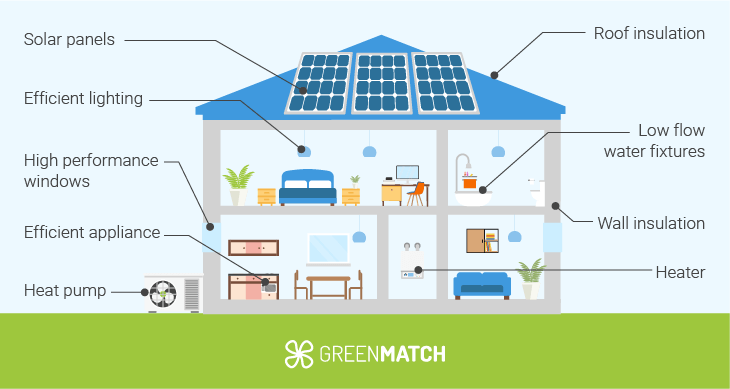
Winter utility bills can erode household budgets while traditional boilers continue to emit greenhouse gases; in 2025 the tension between cost and carbon is sharper than ever. This article profiles practical paths to Sustainable Warmth for a typical family home, following Emma, a homeowner who replaced an aging oil boiler with an integrated heat-pump and solar-hydronic system. We track Emma’s decision process — from checking attic insulation to evaluating upfront costs, incentives and long-term savings — and show how upgrades deliver energy efficiency, reduced emissions and improved indoor air quality. Along the way we reference proven technologies such as geothermal loops, pellet and masonry heaters, small wind-turbine pairings and modern hydronic distribution, comparing lifecycle costs and maintenance trade-offs. If you want a compact, technician-style briefing that maps which systems match specific home types and climates, this guide synthesizes the data and points you to detailed resources like the eco heating green energy guide. The aim: actionable choices that make your home warmer, cleaner and more valuable while keeping the financials transparent.
En bref — Key takeaways: Lower bills through higher system efficiency; Reduced emissions and better indoor air quality; Longer system life (fewer replacements); Compatibility with renewables like solar and wind; Incentives and rising market value for eco-equipped homes. For quick comparisons see the benefits of eco-friendly heating systems analysis.
Top financial and environmental benefits of switching to eco heating
Homeowners switching to EcoHeat Solutions typically see a twofold effect: immediate reductions in consumption and long-term decreases in operational cost. Emma’s first winter after the swap produced a measurable cut in her monthly bills while lowering her household carbon footprint, thanks to pairing a heat pump with rooftop solar.
Beyond direct savings, GreenHome Heating installations tend to increase resale value because buyers in 2025 prize energy performance certifications. For detailed lifecycle comparisons and rebate checklists consult the EcoHeatGuide homepage. Insight: choose systems that match your envelope improvements to maximize return.
Energy efficiency: how heat pumps and solar reduce consumption
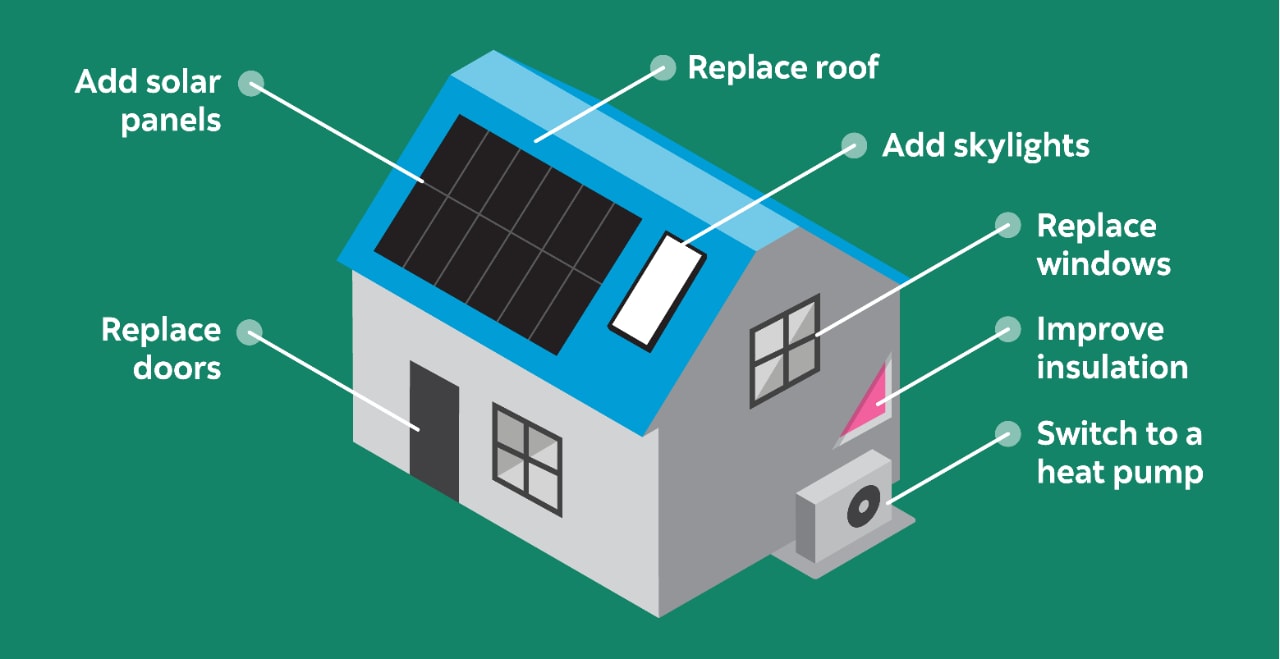
Heat pumps move heat instead of generating it, delivering efficiencies often expressed as COP values; ground-source units can reach COPs equivalent to 300–400% performance, meaning 3–4 units of heat per unit of electricity. Paired with solar PV or solar thermal collectors that can supply up to 70% of domestic hot water, the combined system dramatically reduces grid dependence.
Practical example: Emma’s air-source heat pump cut winter electricity for heating by roughly 40% versus her previous electric resistance backups, and seasonal coupling with solar lowered net import. For implementation details and component selection consult the detailed eco heating overview. Insight: pairing renewables with heat pumps multiplies savings and resilience.
Durability, maintenance and property value considerations
Traditional oil boilers average 10–15 years of service life and require frequent replacements over a multi-decade ownership horizon. By contrast, many geothermal and modern electric systems reliably exceed 20–25 years with scheduled maintenance, reducing lifecycle replacement costs and embodied emissions from manufacturing.
From a market perspective, EcoTherm Innovations and similar brands have demonstrated that homes retrofitted for efficiency command a premium in listings. Emma’s retrofit included upgraded loft insulation and a hydronic floor loop, which together improved comfort and proved decisive to two prospective buyers when she considered future resale. Insight: invest in durable components and insulation first to compound value.
Emission reductions and indoor air quality
Replacing combustion-based systems lowers onsite emissions and improves indoor air. Studies show that a typical air-source heat pump can cut household heating CO2 emissions by roughly 20–30% compared with gas boilers depending on grid carbon intensity. Geothermal systems often yield the largest per-home carbon reductions.
Emma noticed fewer dust issues after switching to a hydronic distribution system: radiant systems don’t move dust-laden air the way forced-air ducts do, contributing to better respiratory conditions. For policy and incentive updates that make upgrades affordable in 2025, review the compare eco heating benefits. Insight: lower local pollution and better health are immediate, measurable co-benefits.
Choosing the right eco heating system for your home and climate
Selection depends on three variables: building envelope, available space and local climate. For compact urban homes, air-source heat pumps or high-efficiency pellet stoves paired with improved insulation often deliver the fastest payback. Rural properties with land access may favor geothermal loops or biomass systems like pellet or masonry heaters for off-grid resilience.
Example decisions: Emma’s semi-detached house used a compact ground-source loop because her garden allowed trenching; the upfront cost was higher but payback was reached within eight years thanks to low running costs and local incentives. If you want a quick platform to compare options, the eco heating green energy guide and the EcoHeatGuide homepage offer spec sheets and installer directories. Insight: match system to site constraints—there is no universal best.
Practical installation steps and what to inspect first
Before committing to a new system, complete a staged approach: 1) upgrade insulation (loft and cavity walls), 2) perform a heat-loss survey, and 3) evaluate renewable integration potential. These steps reduce required system size and cost.
Contractor tip: ask for seasonal performance data, not just nominal efficiency. Emma’s installer provided winter and shoulder-season metrics that clarified expected savings. Insight: smaller, well-specified systems often outperform oversized units in real-world use.
System types in practice: trade-offs and examples
Heat pumps deliver year-round climate control and low maintenance; geothermal requires higher installation costs but yields top efficiency and lifespan. Pellet and masonry heaters provide renewable biomass options where local fuel supply is reliable, while small wind turbines can supplement supply for properties in windy zones.
Hydronic systems excel for comfort and air quality, circulating hot water through floors or radiators and integrating seamlessly with solar thermal or boilers when needed. For detailed comparisons and case studies, consult the benefits of eco-friendly heating systems. Insight: decide on primary goals—cost, carbon, or comfort—and weigh systems accordingly.
Final practical recommendations for homeowners
Start by improving insulation and conducting a heat-loss assessment; these simple steps amplify the benefits of any heating upgrade. Use installers who provide performance warranties and ask for references from recent local projects.
Consider branded solutions and technologies such as EcoComfort Systems, GreenGlow Heating, NatureWarm Technologies, EcoWise Heating, PureHeat Energy and EcoFlow Heating when comparing quotes — brand reputation often correlates with support and spare-part availability. Insight: plan for combined measures (insulation + renewables + efficient distribution) to maximize savings and comfort.