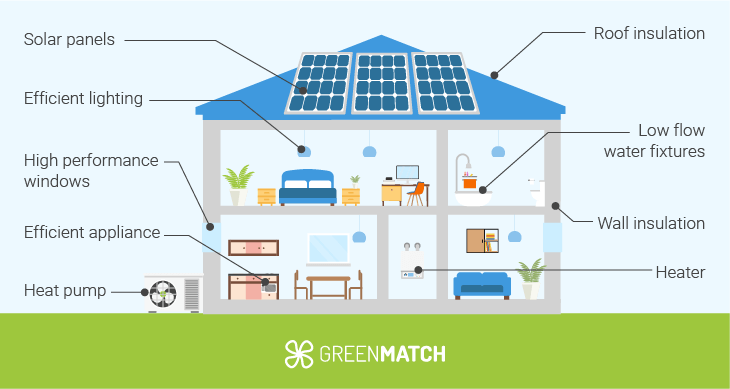
How to maximize eco heating energy savings in your home addresses the twin pressures homeowners face in 2025: rising utility costs and stricter carbon targets. Many properties still lose heat through poorly sealed envelopes or outdated systems, producing uneven warmth and high bills; upgrading the heating strategy delivers measurable savings and comfort improvements. Combining a high-efficiency system with targeted envelope work—insulation, air sealing and zoned controls—typically reduces heat loss by up to 30% and transforms operational costs, especially when paired with renewables or smart scheduling.
This practical guide evaluates leading options—heat pumps, high-efficiency furnaces, radiant floors and hybrid setups—while showing how smart controls and modest retrofits deliver the fastest ROI. Case examples from homeowners and installers such as GreenHome Energy and technicians at EcoHeat Solutions illustrate installation choices, upfront costs, and annual savings. Expect clear, actionable steps to cut energy use, integrate solar or storage, and leverage 2025 incentives to accelerate payback and long-term resilience.
In brief: prioritize air sealing and attic insulation; choose a cold-climate heat pump or hybrid system for broader efficiency gains; install a programmable smart thermostat and zone controls; consider solar pairing and heat-pump water heating for deeper savings; evaluate financing and tax credits to lower upfront cost.
Optimize eco heating energy savings with heat pumps and insulation
For most temperate and mixed climates, a heat pump is the most efficient option because it moves heat rather than generating it, achieving effective efficiencies often above 300%. Modern cold-climate models perform reliably below freezing, and pairing one with a backup furnace or thermal storage maintains comfort during cold snaps. Explore manufacturer guidance and installer case studies from Sustainable Heating Co. to assess system sizing and expected outcomes; practical sizing avoids short cycling and maximizes seasonal efficiency, which is essential for long-term savings.
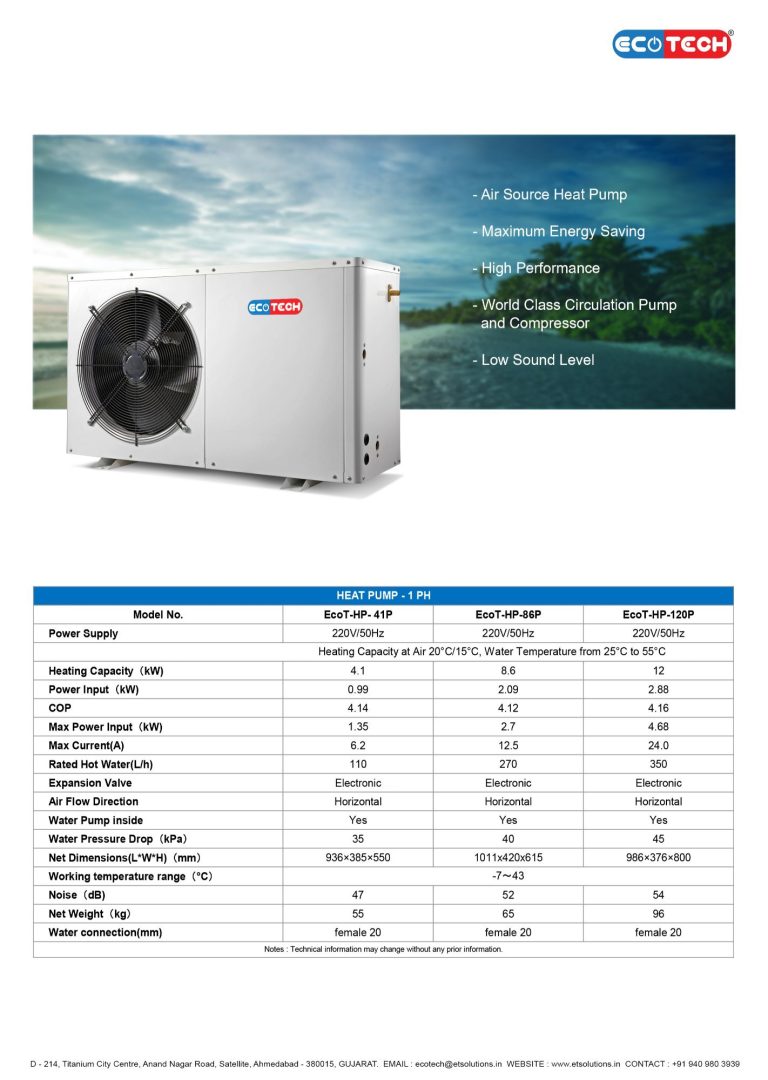
Key insight: Proper heat pump selection and airtight insulation work together to reduce energy spend and extend equipment life.
Heat pumps: performance, costs and pairing strategies
Heat pumps often deliver the best operating economy in moderate regions, with upfront costs ranging around $4,000–$8,000 for typical retrofits. Their dual heating and cooling capability simplifies HVAC footprints and reduces summer electrical loads, while pairing with solar or battery storage enhances resilience and lowers net bills. For homeowners in colder zones, hybrid systems that combine a heat pump with a high-efficiency furnace provide predictable warmth and improved seasonal performance.
Case example: a homeowner working with EcoSmart Heat replaced an aging furnace with a cold-climate heat pump and reported a 25% cut in seasonal heating bills in the first year due to improved controls and reduced runtime. Key insight: When a heat pump is sized and tuned to the building envelope, it outperforms legacy systems in both efficiency and customer satisfaction.
High-efficiency furnaces and hybrid systems for extreme cold
In regions with prolonged subzero temperatures, modern gas furnaces rated 95%+ AFUE still make technical and economic sense. They provide rapid, powerful heat and pair well with heat pumps in hybrid configurations that select the most efficient heat source by outdoor temperature. Installers like RenewHeat Technologies emphasize regular maintenance, proper flue installation, and CO detection to ensure safe, efficient operation.
Practical tip: use a programmable or smart control to switch between heat pump and furnace automatically for optimal seasonal efficiency. Key insight: Hybrid designs combine strengths of both technologies to maintain comfort without sacrificing efficiency.
Smart controls, automation and operational tactics to save energy
Smart thermostats and home automation yield quick wins by reducing unnecessary HVAC runtime; brands and platforms under names such as SmartHeat Systems and EcoHome Heating can adapt schedules, learn occupancy patterns and optimize setpoints. Studies and field reports indicate smart controls can shave HVAC energy by around 10–15%, and whole-home energy monitors contribute an additional reduction by revealing hidden waste. Utilities and vendors in 2025 increasingly offer rebates targeting smart-device installation to accelerate adoption.
Integration example: pairing a smart thermostat with zone dampers helped a townhouse owner eliminate cold spots and reduced heating hours by targeting only occupied zones. Key insight: smart controls multiply the value of a high-efficiency heating system by reducing wasted operation.
Automation best practices and vendor choices
Start with a baseline energy audit and then implement prioritized measures: insulation, air sealing, then controls and system upgrades. For robust automation, select open-platform devices compatible with installers like EcoWarm Innovations or consulting firms such as Green Energy Heaters; compatibility prevents vendor lock-in and simplifies future upgrades. Leverage links to authoritative resources for control strategies, for example smart thermostat guides and smart system overviews when planning deployments.
Key insight: Automation should follow envelope improvements to ensure the system’s intelligence acts on a tightened building shell rather than compensating for leaks.
Envelope upgrades, water heating and renewable integration
Addressing insulation and air leakage is the single most cost-effective step; increasing attic R-value and sealing gaps can cut heating and cooling loads significantly, often by 20–30%. Water heating accounts for roughly 18% of home energy use, so switching to a heat pump water heater or a tankless system complements space-heating gains. Consider pairing solar PV with a heat pump system and battery storage; bundling installations often improves economics and eligibility for incentives.
Resource note: see practical installation and incentive guidance at installation tips and detailed savings analyses at energy savings resources. Key insight: Start with the envelope, then electrify loads and add renewables to maximize lifetime savings.
Renewables, geothermal and long-term payback
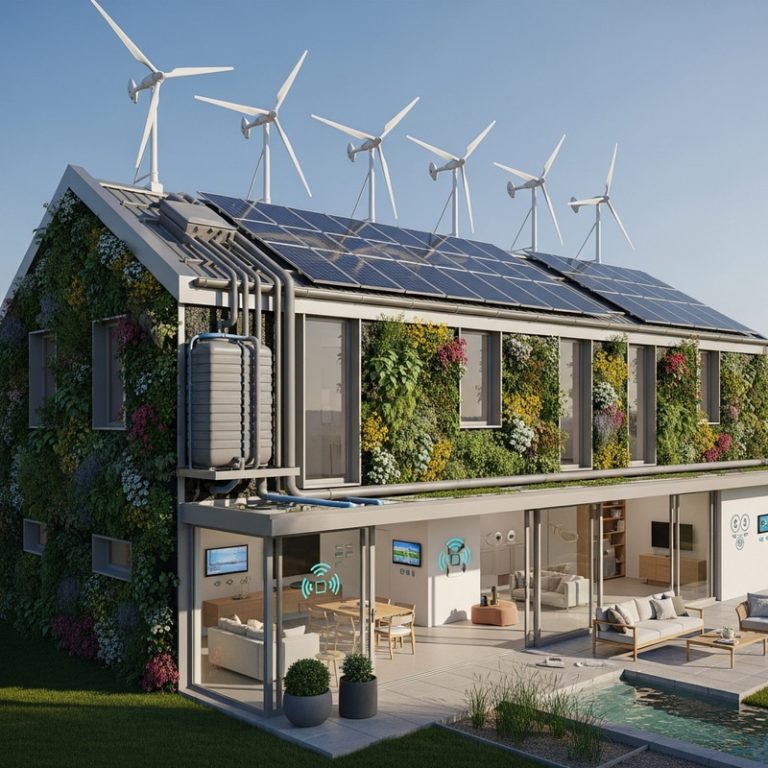
Geothermal systems deliver excellent long-term efficiency—often cited as >400%—but they require substantial upfront investment and site-specific feasibility. For many homeowners, solar PV combined with a heat pump and a battery provides a practical balance between cost and returns, with residential paybacks frequently within a decade when incentives and electrification savings are included. Local firms such as EcoHeat Solutions and RenewHeat Technologies can run financial models to compare scenarios and incorporate tax credits or utility rebates available in 2025.
Key insight: renewable pairing reduces operating costs and carbon footprint most effectively when sequenced after envelope and system efficiency upgrades.
Case study: a homeowner’s path to efficient home warmth
Meet Alex, a midwestern homeowner who worked with GreenHome Energy to transform a 1970s house. The team started with an energy audit, sealed attic leaks, upgraded insulation, and replaced an old furnace with a cold-climate heat pump and smart controls from SmartHeat Systems. Alex financed the upgrade through a green loan and used available incentives, reducing annual heating bills by nearly 35% in the first year while improving winter comfort across all rooms.
Practical takeaway: staged investments—audit, envelope, controls, then system—deliver predictable savings and simplify financing choices. Key insight: a planned sequence and trusted local installer dramatically reduce risk and improve outcomes.
Next steps: a technical checklist for implementation
Begin with an energy audit to quantify losses and set priorities. Specify equipment with realistic performance metrics (HSPF/SEER for heat pumps, AFUE for furnaces) and confirm compatibility with smart controls and possible solar expansion. Use resources such as sustainable heating summaries and financing guides at energy-bill reduction resources to build a targeted plan.
Key insight: a technical checklist ensures upgrades align with measurable performance goals and available incentives.
Further reading and vendor comparisons
For comparative reviews of systems and deeper technical detail, consult manufacturer and independent guidance, and review installations documented on sites like green energy heating. Also examine case studies from EcoHome Heating and product evaluations from EcoWarm Innovations to understand maintenance obligations, expected lifetimes, and warranty implications. These resources help validate installer proposals and clarify lifecycle costs.
Key insight: informed procurement reduces surprises and aligns performance expectations with reality.