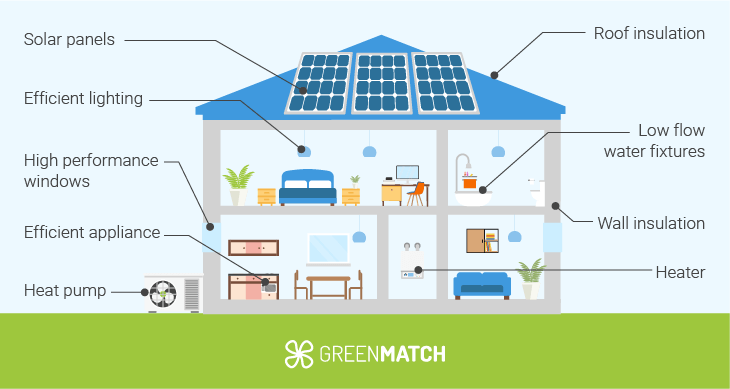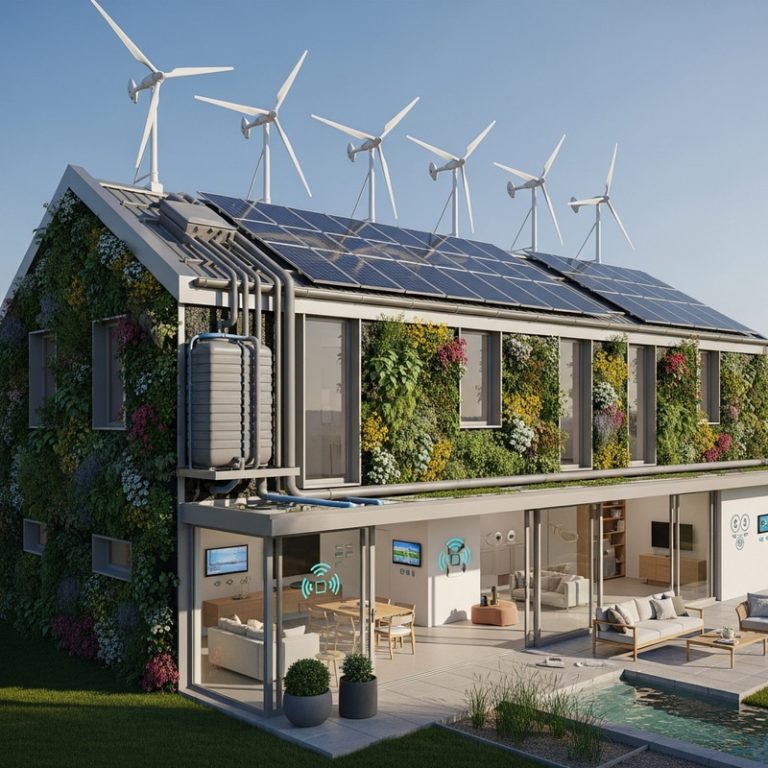
Smart systems are changing how buildings produce and manage heat: networked sensors, adaptive algorithms and renewable linkages turn passive radiators and compressors into an active, data-driven climate layer. In an experimental retrofit carried out by EcoHeat Solutions for a three-bedroom house run by homeowner Maya, integrated controls, occupancy detection and a small rooftop array reduced heating consumption substantially while improving comfort at low cost. The transition from fixed-schedule HVAC to real-time optimization affects equipment sizing, maintenance cycles and fuel sourcing; it also reframes the trade-offs between capital expense and lifecycle emissions. Practitioners now combine advanced thermostats, heat pumps and low-GWP refrigerants with predictive models that use local weather forecasts and occupancy patterns to pre-condition spaces only when needed. The result is measurable: systems deployed in mixed-use residential pilots in 2024–2025 report typical seasonal savings in the high teens to low twenties percent range, and the operational profile of HVAC now aligns with grid flexibility and distributed renewables. For building managers and homeowners alike, the key question becomes not whether to adopt smart eco heating but how to sequence investments for maximum return and minimum disruption.
En bref: Energy savings: real-world pilots show typical reductions near 25%; AI control: occupancy and weather-aware adjustments cut waste; Renewables: solar+heat-pump hybrids reduce fossil dependency; Air quality: integrated purification lowers indoor pollutants; Maintenance: self-cleaning and VR tools reduce downtime. These takeaways frame practical choices for homeowners and specifiers.
How smart systems increase efficiency in modern eco heating
Smart controls shift the control horizon from hours to minutes: sensors read temperatures, relative humidity and occupancy, then models compute setpoints that balance comfort and energy use. That real-time feedback loop eliminates blanket overheating and unnecessary ventilation, which were common with traditional thermostats.
Vendors like SmartTherm Innovations and HeatSmart Technologies now embed learning algorithms that adapt to user behaviour, reducing the need for manual scheduling. For Maya, the system reduced night-time setpoint drift and prevented daytime pre-heating when the house was empty, delivering both comfort gains and a lower electricity bill. The clear operational effect is a tighter correlation between energy use and actual demand.
AI-driven optimization and measurable energy savings in eco heating
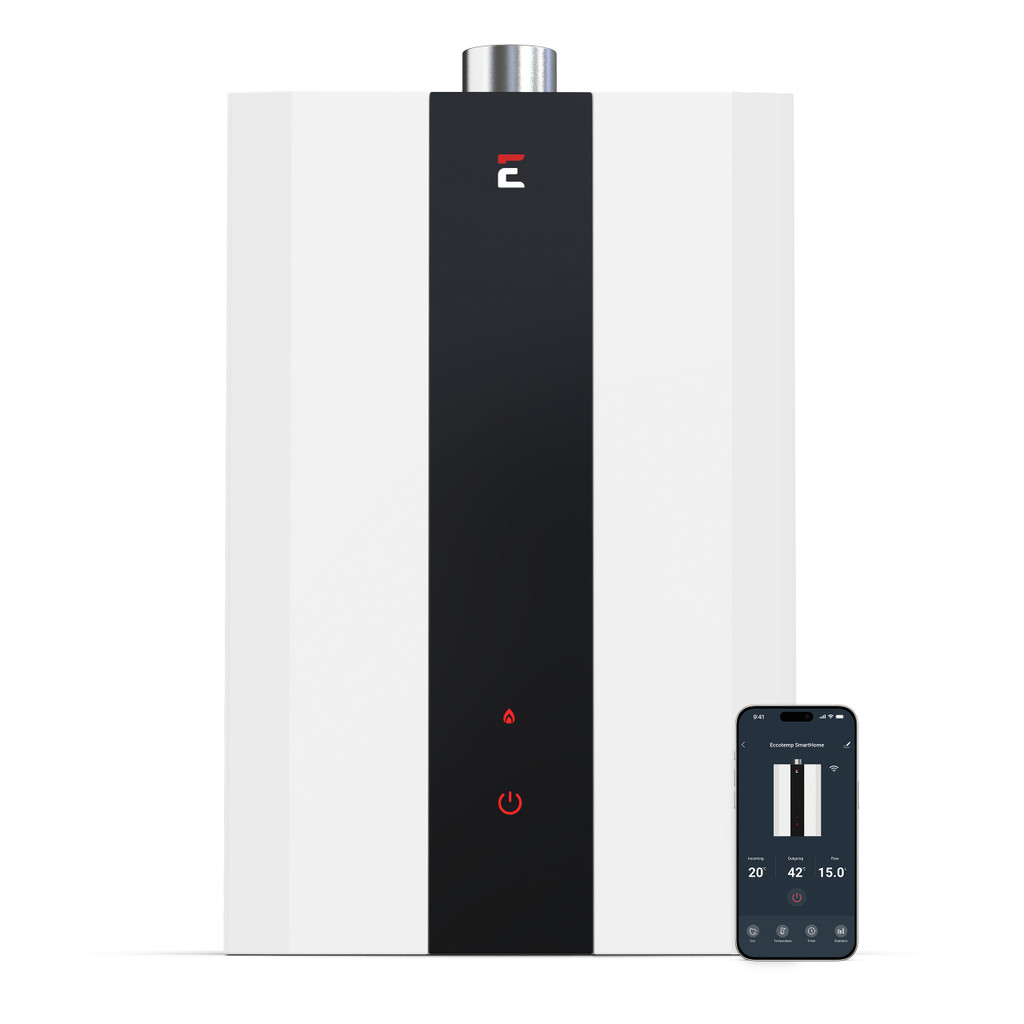
AI modules process historical patterns, short-term weather forecasts and occupancy inputs to make micro-adjustments. When integrated with a heat pump and zone valves, control strategies can shift loads to the most efficient operating points and to times when on-site solar or low-carbon grid power is available.
In the EcoHeat Solutions pilot, predictive control produced an annual heating reduction of about 22–28% versus the previous conventional thermostat baseline. That outcome aligns with industry reports and demonstrates that combining smart algorithms with system-level interventions yields predictable savings. The insight: control intelligence multiplies returns from hardware upgrades rather than replacing them.
Renewable integration, refrigerants and hybrid approaches for eco heating
Modern eco heating is a system-of-systems. Heat pumps integrated with rooftop solar or district heat reduce grid dependence; hybrid configurations switch between electric heat-pump mode and auxiliary sources when efficiency curves demand it. Providers such as GreenFlow Systems and EcoSense Heating focus on orchestrating these heterogeneous assets.
Low-global-warming-potential (low-GWP) refrigerants are now available and reduce lifecycle climate impact compared with legacy fluids. Combined with modular hybrid designs, these refrigerants and renewable coupling allow homeowners to lower both operational emissions and peak demand. For large-scale adopters, the modularity also simplifies phased upgrades and finance strategies.
Explore practical options and deployment patterns in this green energy heating guide and consider lifecycle benefits detailed in the eco heating greener planet briefing. The practical takeaway is that renewables and refrigerant choice directly determine the carbon profile of heating systems.
Air quality, self-cleaning systems and advanced purification in smart heating
Indoor air quality (IAQ) is now designed into heating systems rather than treated as an afterthought. Smart HVAC units often include multi-stage filtration, UV-C modules and sensor-driven ventilation that step in only when pollutants exceed thresholds.
Self-cleaning components—rotary brush mechanisms, automated coil flushing or filter back-pulse—extend service intervals and sustain efficiency. Companies such as SustainHeat Dynamics and SmartEco Heat are shipping systems that report maintenance status remotely and trigger predictive servicing. The advantage is dual: healthier indoor environments and fewer emergency interventions.
For technical guidance on energy and health co-benefits, review the benefits of eco-friendly heating systems. The final point: IAQ features must be integrated into control logic to avoid energy penalties while preserving occupant health.
Deployment practices: wireless control, VR tools and lifecycle maintenance
Field teams now use virtual reality for planning complex installs and for training technicians, reducing on-site surprises and accelerating commissioning. In Maya’s retrofit, a VR walkthrough exposed duct conflicts and saved two days of rework. Firms like IntelliWarm Systems and NextGen SmartHeat offer installation libraries that standardize best practices.
Wireless network control simplifies user experience: homeowners adjust zones from mobile apps while installers receive remote diagnostics. Combined with self-cleaning modules and predictive maintenance, these features lower total cost of ownership and extend asset life. See the practical steps to reduce bills in this eco heating energy bills resource and review retrofit pathways at smart eco heating.
Operational insight: prioritize control logic and connectivity in early project phases to unlock benefits from both hardware and software investments.
Policy, scaling and climate impact of smart eco heating systems
At scale, smart eco heating reduces peak loads and eases grid integration of renewables. Aggregated flexibility—managed thermostats and thermal storage—becomes a system resource for balancing variable generation. Policymakers now design incentives to reward both energy reduction and flexibility value.
Commercial pilots indicate that coordinated deployment across neighbourhoods can cut local peak demand and lower system-wide emissions. For installers and specifiers, aligning product selection with local incentive schemes and grid signals is crucial. Additional reading on systemic benefits is available at energy savings eco heating and the general portal EcoHeat Guide.
Key insight: smart systems convert individual efficiency gains into collective grid and climate benefits when they are integrated and scaled deliberately.