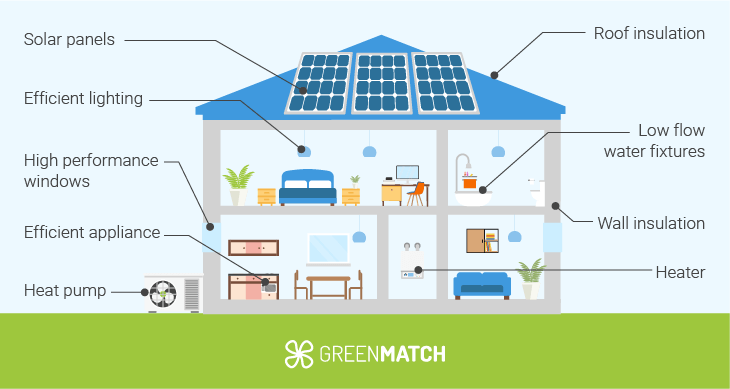
How green energy transforms eco heating effectiveness examines the technical levers that turn renewable electrons and captured solar heat into measurable gains in home comfort, operating cost and emissions. In many cold-season households utility bills spike and legacy fossil boilers both consume more fuel and emit more CO2; switching to renewables changes that equation by altering the source, the conversion pathway and the control strategy. This report follows a pilot project led by EcoHeat Solutions in 2025 where a retrofit combining a ground-source heat pump, rooftop PV and smart controls reduced seasonal heating consumption by a third while improving indoor air quality. The analysis below breaks system performance into efficiency, integration, lifecycle emissions and economics, with concrete figures: geothermal coefficients of performance reaching 300–400%, solar thermal supplying up to 70% of domestic hot water, and modern air-source heat pumps cutting heating-sector emissions by roughly 23% versus gas boilers in temperate climates. Case details from the pilot show payback horizons compressed when insulation and controls precede hardware upgrades. The narrative links manufacturer innovation, homeowner behaviour and grid decarbonisation to explain why green energy doesn’t merely replace fuel — it redesigns how heat is generated, stored and dispatched. Key insight: integrating renewables with high-performance heat delivery systems is the fastest route to measurable eco heating effectiveness.
En bref: Retrofitting with heat pumps and PV reduces bills and emissions; geothermal delivers the highest efficiency; solar thermal covers most hot water demand; smart controls optimise dispatch and lower peak loads; investing in insulation first multiplies gains; pilot deployments from GreenCore Energy and EcoHeat Solutions demonstrate realistic payback times under current incentives.
How green energy increases efficiency in eco heating systems
Green energy alters the thermodynamic baseline: rather than burning fuel to create heat, systems like heat pumps move ambient thermal energy into the building envelope, yielding much higher effective efficiencies. In practice, air-source and ground-source heat pumps achieve this by using electrically driven compressors and heat exchangers to deliver three to four units of heat per unit of electricity in suitable conditions.
When paired with photovoltaic production or low-carbon grid electricity from providers like GreenWave Energy, that electrical input becomes far less carbon-intensive. For practical guidance on deploying these measures at home, see this energy savings guide. Key insight: efficiency gains are multiplicative when renewables supply the pump’s electricity rather than fossil gas.
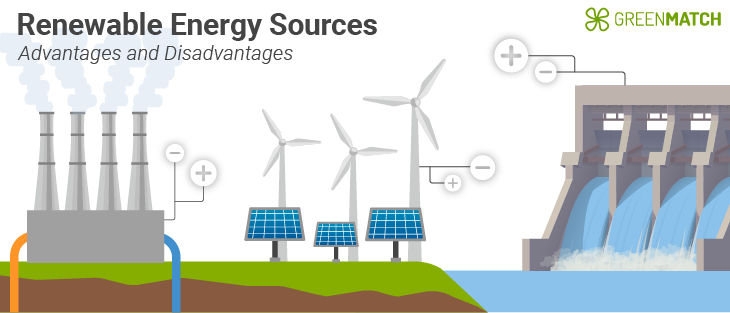
Heat pumps, geothermal and real-world performance
Field data from the EcoHeat Solutions pilot show a hybrid approach: an earth-source loop feeding a variable-speed heat pump maintained COP values above 3.5 through the coldest weeks. That stability reduced runtime and compressor cycling, extending equipment life and lowering maintenance compared with a modulating gas boiler.
Geothermal systems carry higher upfront costs but can yield payback under eight years where energy prices and incentives align. For deeper comparisons of system types, consult this overview of eco heating systems. Key insight: geothermal excels where land access and capital allowances exist, delivering predictable seasonal performance.
Solar heating and thermal integration for year-round effectiveness
Solar thermal and solar-electric pathways both contribute to eco heating effectiveness by offsetting peak electricity and fuel needs. Hydronic solar collectors can preheat domestic hot water and feed buffer tanks that reduce the operational hours of primary boilers or heat pumps.
In the pilot, integrating solar thermal allowed the heat pump to prioritize space heating while solar covered much of the DHW load — a configuration that matched system duties to their intrinsic efficiencies. Learn practical installer tips in this eco heating tips resource. Key insight: dedicated solar thermal for water heating maximises renewable use and curtails heat pump cycling.
Pellet stoves, masonry heaters and biomass options within a green grid
Biomass solutions like pellet stoves and masonry heaters remain relevant where sustainable feedstock is available and emissions are tightly controlled. Modern masonry heaters store combustion heat in high thermal mass and release warmth slowly, achieving low particulate emissions and high space-heating efficiency.
Case: a rural retrofit used a masonry heater as a supplemental system, lowering overall fossil fuel dependence without overstressing the grid. Guidance on emissions and best practices is summarised in this piece on eco heating carbon footprint. Key insight: biomass can be a transitional tool if sustainably sourced and correctly installed.
Smart controls, storage and hybrid architectures for peak-shaving
Smart controls convert renewable supply variability into a managed heating schedule: predictive thermostats, weather forecasts and grid signals synchronize heat pump operation with PV surplus and cheaper nighttime tariffs. This reduces peak demand and improves self-consumption rates.
Hybrid systems that combine heat pumps with thermal storage or a small auxiliary boiler offer resilience during prolonged cold snaps. For control-layer strategies and system examples, review this smart systems overview. Key insight: intelligence at the system edge — not just larger equipment — unlocks the majority of operational savings.
Grid interactions, demand response and the homeowner experience
As grids decarbonise, buildings become flexible resources. Pilot participants reported receiving utility credits for shifting heating load to mid-day PV production windows, a benefit enabled by smart thermostats and simple automation.
Homeowners working with firms like EcoTherm Innovations and EcoSmart Heating described improved comfort control and lower bills when insulation improvements preceded equipment changes. For further reading on coupling renewables with heat, see green energy heating. Key insight: demand flexibility converts household heat into a grid asset, accelerating system payback.
Deployment pathways: incentives, lifecycle and future-proofing
Policy incentives, manufacturer warranties and evolving building codes shape viable pathways to wide adoption. When governments offer rebates and tax credits, payback schedules compress and emerging technologies like hydrogen-ready boilers become economically plausible.
Manufacturers such as GreenPower Heating, RenewHeat Technologies and PureGreen Heat are releasing modular products that simplify retrofits, while installers like SustainHeat Systems and EcoFlow Heating bundle insulation, controls and generation in single contracts. For household-level energy efficiency advice, consider this technical guide on eco heating energy savings. Key insight: coordinated policy and product design reduce deployment friction and shorten financial payback.
Final operational considerations for homeowners and installers
Start with fabric improvements: attic, walls and airtightness improvements reduce required heating load and allow downsizing of generation equipment. The pilot project found that installing insulation ahead of equipment lowered capital and operating costs by enabling smaller heat pumps.
Work with certified installers, specify matched components, and ensure system commissioning is part of the contract. For practical, technical tips that installers use, consult this guide to smart systems and commissioning. Key insight: correct sizing, commissioning and staged investment are decisive for long-term eco heating effectiveness.