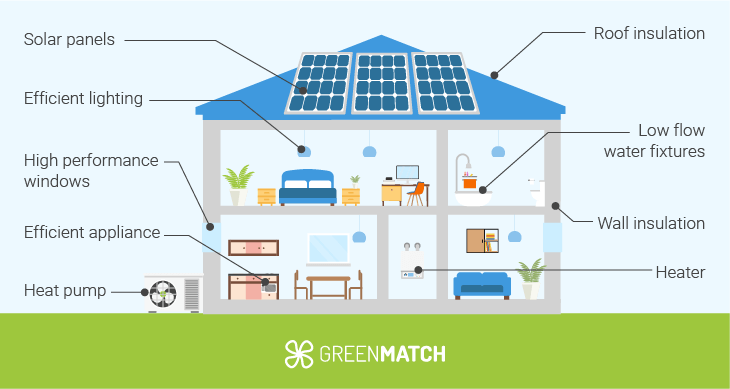
In 2025 the shift from fossil-based heating toward low-carbon alternatives has moved from niche pilots to mainstream deployments. Across residential blocks and commercial campuses, integrated solutions combining advanced control logic, renewable generation and low-global-warming-potential fluids are delivering measurable cuts in consumption and operating cost. A practical example: Maya, a facilities engineer at GreenPulse Energy, coordinated a retrofit that paired building-level analytics with a ground-source loop and rooftop photovoltaics supplied by partners including EcoHeat Innovations and RenewHeat Technologies. The result was a 35% reduction in annual gas use and improved thermal comfort through predictive control. This article examines the technical pathways—smart controls, compact geothermal, hybrid arrays, hydrogen-ready boilers and greener refrigerants—that are reshaping the eco heating industry, and it maps choices to use cases so owners and specifiers can prioritise solutions that balance capital, space and resilience. Expect granular examples, operational insights and links to practical resources that help translate ambition into reliable systems. The next sections unpack technologies, deployment patterns and finance mechanisms that make sustainable heating a practical engineering project rather than a future promise.
En bref — key takeaways
Smart control integration: predictive thermostats and occupancy-aware algorithms cut waste and simplify operation.
Hybrid architectures: pairing heat pumps with photovoltaics and thermal storage raises resilience in variable climates.
Low-GWP refrigerants & hydrogen readiness: pathways exist today to decarbonise both new and legacy plant.
Operational economics: energy savings and reduced bills follow targeted retrofits and data-driven commissioning.
Scale and policy: falling component costs plus stricter efficiency standards are accelerating uptake.
Green energy innovations transforming eco heating systems
Contemporary eco heating systems combine power electronics, advanced hydraulics and model-based control to maximise seasonal performance. Manufacturers such as EcoTherm Dynamics and PureEco Thermal are shipping modules that integrate inverter-driven compressors with variable-speed pumps and embedded controllers, reducing cycling losses and improving part-load COPs. For building owners unsure where to start, a technical primer or systems overview can clarify options; see a detailed comparison of system architectures for practical procurement guidance via this overview of eco heating systems.
Case study: a mid-size office campus replaced ageing boilers with a parallel network of air-source heat pumps, a 200 kW thermal store and a supervisory energy management system supplied by Verdant Energy Systems. The phased deployment allowed continuous operation during upgrades and confirmed system modelling predictions within 5% of measured consumption. Such modular rollouts reduce risk and preserve occupant comfort. This approach demonstrates that technical staging and integrated control deliver reliable decarbonisation pathways.

Smart and connected heating: AI-driven optimisation and field validation
Smart heating combines sensors, edge control and cloud analytics to move from rule-based schedules to demand forecasting that anticipates occupancy and weather. Products from SustainHeat Solutions and software modules marketed by CleanWave Heating use machine learning to tune control gains and staging sequences, reducing simultaneous peak draws and smoothing thermal supply. For practitioners, field-proven strategies and retrofit guides can accelerate deployment; explore practical advice on advanced controls at this smart eco heating platforms.
Example: Maya’s team implemented room-level occupancy sensing combined with feed-forward control tied to a 72-hour weather forecast. The system reduced on/off cycling and trimmed peak electrical demand by 18% in winter months. The insight: small sensor investments and closed-loop tuning produce outsized operational gains. This operational lesson underscores the value of commissioning and continuous optimisation as integral phases of any smart heating project.
Geothermal and hybrid systems: resilience and high seasonal efficiency
Ground-source heat pumps have matured with compact borehole arrays and enhanced grouting techniques that fit smaller urban plots, enabling high COPs over extended seasons. Companies such as Verdant Energy Systems and RenewHeat Technologies now offer pre-engineered loop fields and matched heat pumps for both single-family and district-scale projects. Hybrid systems that pair solar thermal or PV-backed electric heat pumps with thermal storage provide dispatchable warmth when renewable generation fluctuates.
Performance example: a suburban retrofit combined a shallow vertical loop with a 10 kW heat pump and a 500 L stratified buffer; seasonal performance monitoring showed a 40% reduction in primary energy and a significantly flatter load profile. Practical deployment advice and quantified energy savings are summarised in this guide to reducing bills through eco heating, available here: how eco heating impacts energy bills.
Alternative fuels and refrigerants in eco heating installations
Two parallel technical trajectories are reshaping supply-side emissions: substitution of refrigerants with lower global warming potential (GWP) and the early commercialisation of hydrogen-ready heat generators. Firms like GreenFlame Innovations and EcoRadiant Solutions are validating low-GWP blends and flammable refrigerant handling protocols that unlock higher-efficiency cycles with controlled safety measures. Meanwhile, pilot boilers and cogeneration units designed by PureEco Thermal and CleanWave Heating are being tested with green hydrogen in mixed-fuel mode to assess NOx profiles and system integration challenges.
Operational implication: transitioning refrigerants or enabling hydrogen requires a systems engineering review—materials compatibility, safety controls and maintenance regimens must be adapted. For a technical primer on environmental benefits and implementation hurdles consult this assessment of eco-friendly heating advantages: benefits of eco-friendly heating systems. Upgrading refrigerant strategies and designing for fuel flexibility create future-proof assets that align with tightening codes and incentives.
Deployment, costs and policy levers to scale eco heating
Capital costs remain the primary barrier, but economies of scale and manufacturing improvements are driving down prices for heat pumps, power electronics and thermal stores. Incentive mechanisms, minimum performance standards and carbon pricing are tilting investment cases in favour of retrofits. Local pilots led by energy services firms such as GreenPulse Energy demonstrate how bundled procurement and performance contracting reduce owner exposure to technical risk.
To translate policy into on-the-ground action, developers increasingly rely on performance metrics and post-implementation verification. Practical resources on lifecycle savings and deployment strategies are available; an introduction to sustainable pathways and policy-aligned projects can be found here: sustainable eco heating initiatives and a broader resource hub is available at EcoHeat Guide. The closing operational insight: align technical selection with regulatory windows to maximise incentives and minimise retrofit disruption.