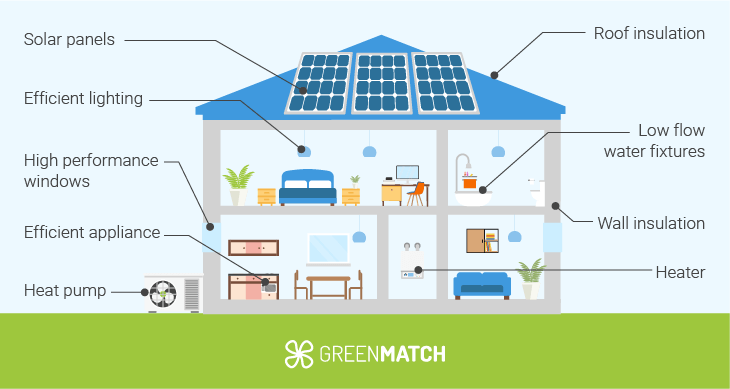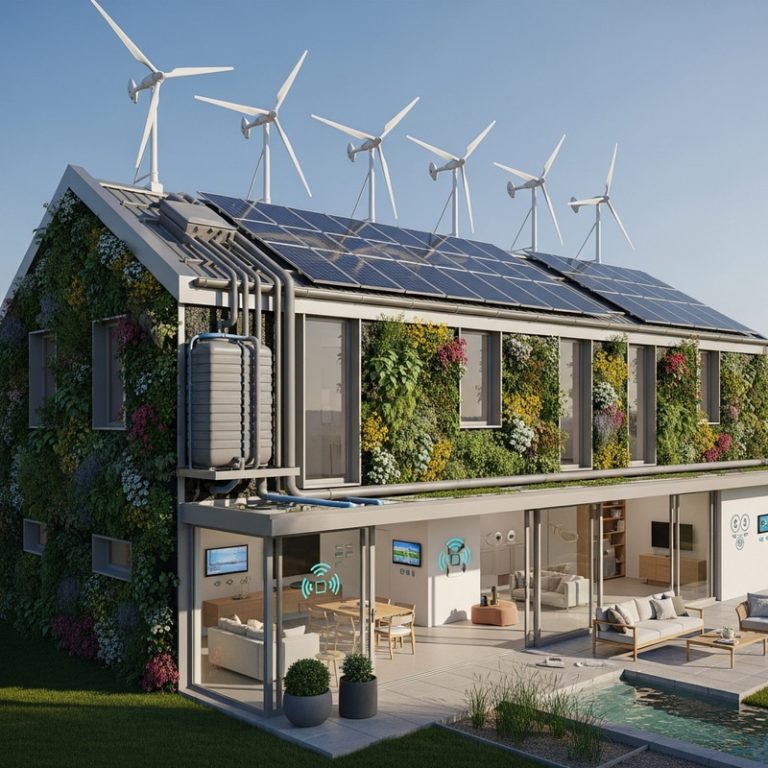
Why sustainable living starts with eco heating technology is no longer rhetoric but practical strategy for homeowners balancing comfort, cost and climate responsibility. Rising energy prices and tighter emissions targets have pushed heating systems to the forefront of residential decarbonization. Today’s options — from high-efficiency heat pumps to integrated solar-thermal arrays and adaptive controls — reshape how houses consume energy and how residents plan long-term upgrades. In this report we follow Maya, a thirty-eight-year-old homeowner and project manager, who turned a leaky 1990s townhouse into a prototype of efficient living by sequencing upgrades that prioritized performance and payback. Her path began with a properly sized air-source heat pump, paired with targeted insulation upgrades and a smart thermostat that learned occupancy patterns; the result was a 30% reduction in heating energy and a higher resale valuation. Technical choices—sizing, placement, control strategies—determine whether a retrofit becomes a marginal improvement or a step change. Practical guidance, verified case studies, and policy incentives make the difference between theoretical gains and real household savings. This article explains the technologies, quantifies benefits, and shows how integrative design lets systems like EcoHeat Solutions and GreenTherm Innovations deliver both comfort and measurable emissions reductions.
En bref — Heat pumps cut consumption by up to 50% versus resistive systems; — Smart thermostats can save 10–30% on HVAC costs; — Solar thermal + heat pumps maximize renewable heating yield; — Insulation & windows are multiplier upgrades that reduce system size and cost; — Incentives and rebates often tilt payback periods under ten years; — Brands like PureHeat EcoTech and GreenGlow Heating exemplify integrated solutions.
Eco heating technologies that define sustainable homes
Modern residential heating pivots around three technical axes: efficient heat generation, precise control, and building envelope performance. Heat pumps lead generation because they move thermal energy rather than produce it through combustion, yielding coefficients of performance (COP) that commonly exceed 3 in temperate conditions. Air-source units excel where winters are moderate, while ground-source (geothermal) systems exploit stable subsurface temperatures for higher seasonal efficiency.
Controls and orchestration matter as much as the hardware. A well-configured smart thermostat combined with zoning reduces runtime and shifts demand away from peak hours. Maya’s retrofit used a two-zone control strategy: living areas prioritized daytime comfort while bedrooms followed a setback schedule, delivering measurable reductions in consumption. EcoSmart Heating and SustainHeat Technologies are examples of manufacturers providing compatible hardware and cloud-based analytics to validate savings.
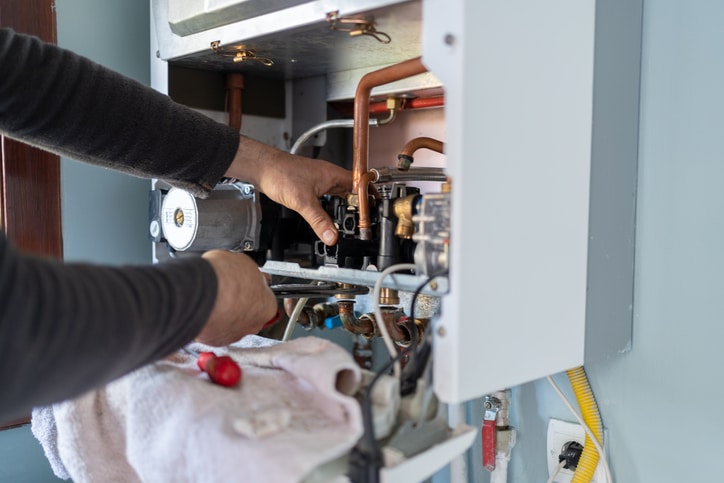
Insight: selecting complementary technologies—generation, control, and envelope—produces multiplicative savings that single-component upgrades rarely achieve.
Why heat pumps are central to lower-carbon heating
Heat pumps displace fossil fuel burning by extracting ambient heat from air, ground or water. Air-source heat pumps now operate reliably in colder climates due to improved refrigerants and variable-speed compressors. Geothermal systems have higher upfront costs but longer lifespans and lower operating expenses.
Maya’s choice favored a cold-climate air-source unit sized with professional heat-loss analysis, avoiding oversizing that would short-cycle the compressor. Regional case studies and installer guidance reduce installation risk; homeowners should consult resources outlining system sizing and placement prior to purchase, such as the technical notes on benefits of eco-friendly heating systems. Insight: correct sizing and commissioning convert theoretical efficiency into real-world savings.
Smart controls and the role of automation in efficiency
Control systems transform hardware into responsive comfort platforms. Smart thermostats learn occupancy, optimize setbacks, and enable remote management to eliminate wasted heating. Evidence shows these devices can save between 10% and 30% on annual heating and cooling, with many households recovering investment within two to five years when combined with rebates.
Beyond thermostats, home automation includes occupancy sensors, adaptive schedules and grid-aware demand response. Maya linked her system to a home energy management app that adjusted heating when rooftop solar generation peaked, reducing grid electricity purchases. For homeowners seeking technical guidance on integrating intelligence and sensors, see practical guidance on smart eco heating.
Brands such as EcoComfort Heating and SustainWarm Technologies increasingly ship with open APIs for integration into home energy platforms. Insight: automation converts static efficiency into ongoing operational savings through behavioral and temporal optimization.
Radiant heating and occupant comfort
Radiant floor systems distribute heat from the ground up, providing consistent thermal comfort and enabling lower thermostat setpoints. Hydronic radiant systems pair effectively with heat pumps and can operate at lower supply temperatures, which improves overall system COP. Electric radiant works well in targeted retrofit scenarios like bathroom renovations.
In Maya’s home, converting the ground-floor bathroom and kitchen to hydronic radiant enabled a 2°C reduction in thermostat setpoint for the adjacent living zone without a perceived loss of comfort. This translated to energy and cost savings while smoothing temperature stratification. Insight: radiant systems increase perceived warmth and let occupants accept lower air temperatures, enhancing efficiency.
Renewable integration and building envelope improvements
Maximizing ecological returns requires pairing efficient heating hardware with a high-performance envelope. Insulation choices—recycled denim, dense-packed cellulose, natural wool—reduce heat transfer and improve summer performance. Upgrading to double- or triple-glazed windows with low-e coatings and insulated frames curtails conductive and radiative losses.
Solar thermal panels supply low-carbon hot water and pre-heat loops for heat pumps, cutting auxiliary electricity demand. Combining solar systems with electric heat pumps increases renewable utilization and shortens payback. For pragmatic guidance on integrating green energy into heating systems, review the integration overview at eco heating green energy. Insight: envelope and renewables amplify each other—smaller, cheaper generation systems are needed when heat loss is minimized.
Maintenance, upgrades and policy incentives
Routine servicing—filter changes, refrigerant leak checks, pump and valve inspections—maintains efficiency and prevents premature replacement. Retrofits like variable-speed circulators and efficient compressors can upgrade legacy systems economically. Financial incentives available in many jurisdictions further improve economics.
Homeowners should map available rebates and tax credits before procurement; acting on incentives can reduce initial outlays substantially and improve payback horizons. The central resource hub how eco heating affects energy bills collects case studies and cost models that clarify returns. Insight: planned maintenance and leveraging incentives preserve performance and shorten payback timelines.
Case study: Maya’s retrofit pathway and measurable outcomes
Maya’s project proceeded in phases: first air-sealing and attic insulation, then a mid-sized air-source heat pump with two-zone controls, and finally targeted radiant floors in high-use zones. She documented baseline consumption and compared monthly meter data to post-retrofit usage, recording a 30% reduction in heating energy and improved occupant comfort.
Her vendor mix included local installers and system components from companies like EcoHeat Solutions, GreenGlow Heating, and BioHeat Solutions, coordinated through an energy retrofit plan. The combined approach—envelope, efficient generation, and controls—accelerated payback and improved home valuation. For homeowners planning similar upgrades, start with a professional energy audit and consult general resources such as the overview at Eco Heating Guide. Insight: phased action with measurement at each step reduces risk and proves outcomes.