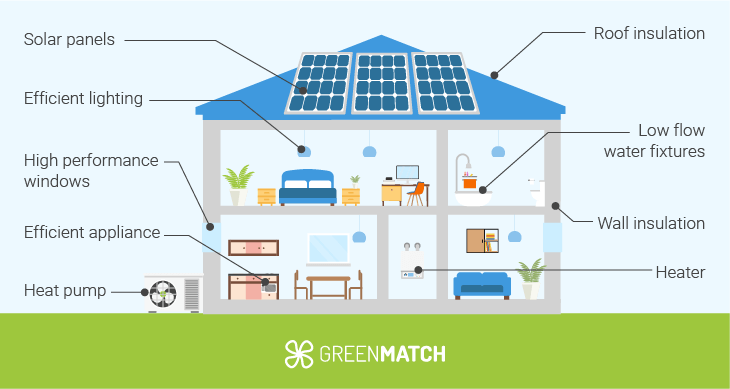
Energy savings and eco heating: expert recommendations examines practical pathways to lower winter utility bills while cutting carbon emissions. Across the piece we follow Maya, a homeowner in a 1970s townhouse, as she evaluates retrofit choices, vendor proposals and operating strategies to keep comfort high and costs low. The context is technical and pragmatic: rising utility expenses that averaged over $2,000 per household annually have pushed homeowners in 2025 to prioritize systems that deliver measurable energy returns. This report contrasts lifecycle costs, expected payback windows, and integration with renewables — from rooftop photovoltaics powering a heat pump to biomass pellet systems and masonry heaters. It compares system lifetimes (short-lived oil boilers versus long-lived geothermal loops), quantifies efficiency gains (heat pumps operating at 300–400% COP in ideal conditions), and highlights policy levers that offset upfront investments. Along the way Maya consults firms such as EcoHeat Solutions, GreenTherm Experts and EnergyWise Heating, and tests smart controls from SmartEco Heating to match operating patterns to real weather data. The aim: deliver a clear decision pathway so readers can choose systems that are reliable, auditable and future-proofed against tightening regulation. This article provides technical recommendations, vendor-context anecdotes and actionable next steps to reduce heating-related energy demand now.
En bref — Key takeaways: Insulate first to maximize system ROI; prioritize high COP technologies like geothermal where site conditions allow; adopt smart thermostats and controls to cut HVAC costs by measurable margins; combine systems with on-site renewables for lowest lifetime emissions; leverage federal incentives to reduce payback time; consult certified advisors such as EcoEnergy Advisors or EcoTherm Consultants for site-specific modelling.
Why choose high-efficiency heating in 2025: costs, carbon and lifecycle logic
Heating still dominates residential energy use: HVAC accounts for roughly 52–70% of household consumption in contemporary U.S. housing stock. That concentration makes heating the primary lever for both cost reduction and emissions abatement.
Lifecycle thinking matters: conventional oil boilers often last 10–15 years, forcing multiple replacements over a long-lived dwelling, while many modern systems extend to 20–25+ years. Longer service life reduces embedded emissions and replacement costs — a decisive factor when choosing a system.
For homeowners like Maya, the logical first step is an airtight envelope and targeted insulation upgrades; only after reducing heat losses does a new system yield full economic benefit. This sequencing preserves capital and shortens payback periods.

Practical example: Maya’s assessment workflow
Maya started with a blower-door assessment and found attic and cavity wall opportunities that would cut heat loss appreciably. She then solicited quotes from SustainHeat Innovations and EfficientHeat Pros to compare a ground-source heat pump against a high-efficiency air-source unit.
Her consultant modelled energy use with local degree-day data and projected a 50% reduction in heating electricity versus resistance heating when paired with a heat pump — a tangible metric for financing decisions. This case underlines that measured diagnostics change choices.
Insight: diagnostics-first reduces risk and clarifies which technologies deliver the true savings you can bank on.
Top sustainable heating technologies and applied guidance
Heat pumps (air, ground, water)
Heat pumps transfer heat rather than generate it, producing multiples of heat per unit of electricity consumed. In practice, air-source systems now yield consistent gains in moderate climates while geothermal units offer the highest and most stable coefficient of performance.
Selection criteria are site-driven: ground-source requires land access but delivers stable performance and long life; air-source excels where installation cost and footprint matter. For procurement, consult a detailed systems guide such as the comprehensive eco heating systems guide.
Insight: match heat pump type to site constraints and pair with on-site PV for best lifecycle emissions.
Solar heating (hydronic collectors, air systems)
Solar thermal can supply a substantial share of domestic hot water — up to ~70% in optimized systems — and supplement space heating via hydronic integration. Choice between hydronic collectors and solar air systems depends on your distribution system.
Maya paired a small PV array with a hydronic buffer tank to shift afternoon generation into evening heat; this hybrid approach reduced grid imports during peak demand. For system sizing and retrofit tips, see the reference on green energy heating options.
Insight: solar thermal excels when integrated with a hot-water distribution loop and buffer storage to manage intermittency.
Insight: geothermal video provides a practical walkthrough to validate installer proposals and loop-field designs.
Pellet heating and masonry heaters
Pellet stoves burn densified biomass from agricultural residues and yield predictable combustion with automated feed systems. They are cost-effective where biomass supply chains are stable and local.
Masonry heaters store combustion heat in mass and release it slowly over 12–24 hours, offering steady radiant warmth with lower particulate emissions than older wood stoves. Both require fuel logistics planning and proper siting to avoid nuisance and health impacts.
Insight: biomass works when fuel supply, storage and maintenance are planned to reduce operational friction.
Hydronic systems (radiant floors, baseboards)
Hydronic heating circulates hot water through floors or radiators, delivering quiet, uniform comfort and improved air quality because it does not rely on forced air. Boilers can be coupled to solar thermal or a heat pump for low-carbon operation.
Copper fin-tube radiators remain a pragmatic retrofit choice for many homes, offering straightforward zone control and compatibility with existing piping. For retrofit strategies consult eco heating upgrades.
Insight: hydronic systems are the healthiest method for distributed space heating in occupied homes.
Insight: the hydronic video clarifies installation sequencing and thermal mass interactions for retrofit projects.
Smart controls, monitoring and low-cost interventions
Smart thermostats, sensors and operational tuning
Smart controls can reduce heating bills by 8–23% depending on occupancy behavior and thermostat model. Devices like learning thermostats and occupancy sensors align setpoints with real activity, trimming wasted runtime.
Combine controls with load monitoring to detect phantom loads; smart plugs and whole-home energy monitors quickly reveal savings opportunities. Explore practical control strategies at smart controls for heating.
Insight: controls are low-risk, fast-payback investments that extract value from existing hardware.
Low-cost weatherproofing and behavior changes
Before major purchases, simple measures deliver outsized returns: attic insulation, caulking, and weatherstripping routinely produce immediate reductions in heat loss. An adjustment of 7–10°F for 8 hours daily can cut annual HVAC energy by roughly 10%.
Water heating adjustments—set to 120°F and paired with low-flow fixtures—trim a major second source of consumption. For a compact handbook of tactical moves see the energy savings primer at energy-saving upgrades.
Insight: optimize the envelope and behavior first to shrink system size requirements and cost.
Financing, incentives and tracking performance
Incentives and payback modelling
Federal incentives introduced in the Inflation Reduction Act continue to reduce effective costs for heat pumps, efficient water heaters and audit services. Typical credits cover roughly 30% of qualifying improvements, lowering payback horizons substantially.
Maya layered incentive calculations into her cashflow model, which shortened geothermal payback from a projected 8 years to under 6 after state and federal rebates. For detailed program guidance, consult the resource on eco heating and energy savings.
Insight: financial incentives change the ranking of viable technologies — run the numbers with certified advisors like RenewHeat Experts before committing.
Monitoring and verification
Installations should include performance monitoring to confirm expected savings. Smart meters and cloud-based dashboards reveal operational anomalies and allow tuning by technicians or services such as GreenPower Heating and EcoEnergy Advisors.
Utility-grade metering can validate rebate claims and support performance contracts. Tracking ensures systems operate within design parameters and secures long-term value.
Insight: measurement converts estimates into accountable performance and protects your investment.
Choosing the right advisor and installer
Vendor selection criteria and a decision checklist
Opt for firms that provide site-specific modelling, multi-year warranties and clear commissioning protocols. In Maya’s process, EcoTherm Consultants provided a comparative LCCA while EfficientHeat Pros offered an extended maintenance plan — both influenced her choice.
Ask for modeled energy use, detailed scope of work, and references from recent local installations. For procurement checklists and smart-system integration options, see the practical guide at smart systems and integration.
Insight: procurement rigor reduces variations in delivered performance and ensures systems meet projected savings.
Next steps for homeowners: commission a professional energy audit, implement envelope improvements, request quantified proposals for targeted systems, and layer incentives into the financial model. If you want a guided technical checklist or vendor comparison template tailored to your house type, contact trusted firms such as EcoHeat Solutions, GreenTherm Experts or EnergyWise Heating for an on-site assessment.