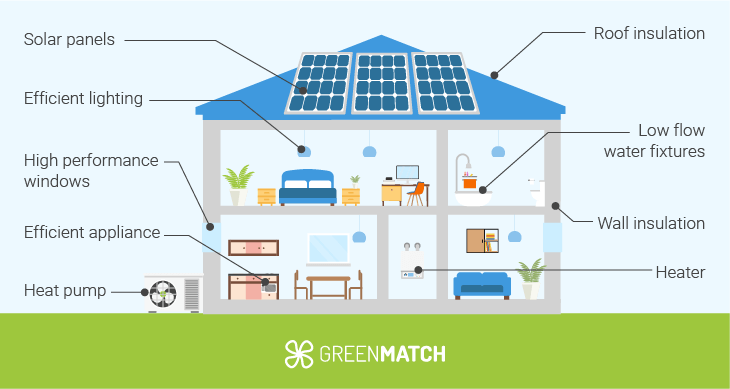
How eco heating contributes to a greener planet is no longer a theoretical debate: it is an operational roadmap deployed by homeowners, utilities and municipalities in 2025. Heating represents one of the largest levers for reducing emissions because it consumes a huge share of final energy and remains heavily dependent on fossil fuels in many regions. This article follows Maya, an architect who retrofitted her 1980s townhouse with a mix of heat pumps, solar thermal and smart controls, to show how technology choices, behavioural shifts and targeted incentives translate into measurable carbon and cost reductions. The narrative connects system-level performance—such as the >300% seasonal efficiency of modern heat pumps—with practical constraints like upfront cost, space for ground loops, and installer capacity. It also examines how modular products from providers such as EcoHeat Solutions and GreenWarm Technologies integrate with municipal grids, and how zoning, insulation and occupant routines amplify savings. By combining a technical assessment with a real-world retrofit story and up-to-date policy context, the piece explains not just what systems do, but how they affect bills, indoor air quality and grid decarbonization. The aim: provide actionable guidance so readers can prioritise interventions that deliver the largest climate and economic returns in their own homes and communities.
In brief — Heating accounts for nearly half of final energy use; switching to efficient systems cuts both emissions and bills. Heat pumps and solar thermal deliver the largest CO₂ reductions when paired with renewable electricity and storage. Smart controls and efficient radiators reduce waste and shift demand away from peak times. Policy incentives and installer training are the missing links for mass adoption. Case studies show payback windows shrink as system costs fall and grid carbon intensity declines.
How eco heating reduces carbon and resource demand
Heating traditionally relies on fossil combustion, producing direct CO₂ and local pollutants while drawing on finite resources. Globally, space and water heating account for a very large share of residential and commercial energy use, making them a prime target for decarbonisation.
Switching to low-carbon heating—notably electric heat pumps powered by renewable electricity—reduces lifecycle emissions and decreases dependence on imported fuels. For substantiation and system-level options, review this comprehensive guide to eco heating systems. Insight: targeting the largest-consuming buildings first yields outsized emission reductions.
Heat pumps, solar thermal and biomass: performance comparison
Heat pumps transfer heat instead of producing it, offering COPs frequently above 3 in moderate climates and strong seasonal performance enhancements with advanced inverter controls. Air source, ground source and water source variants each trade installation complexity for steady output; ground source options incur higher upfront cost but deliver stable efficiency.
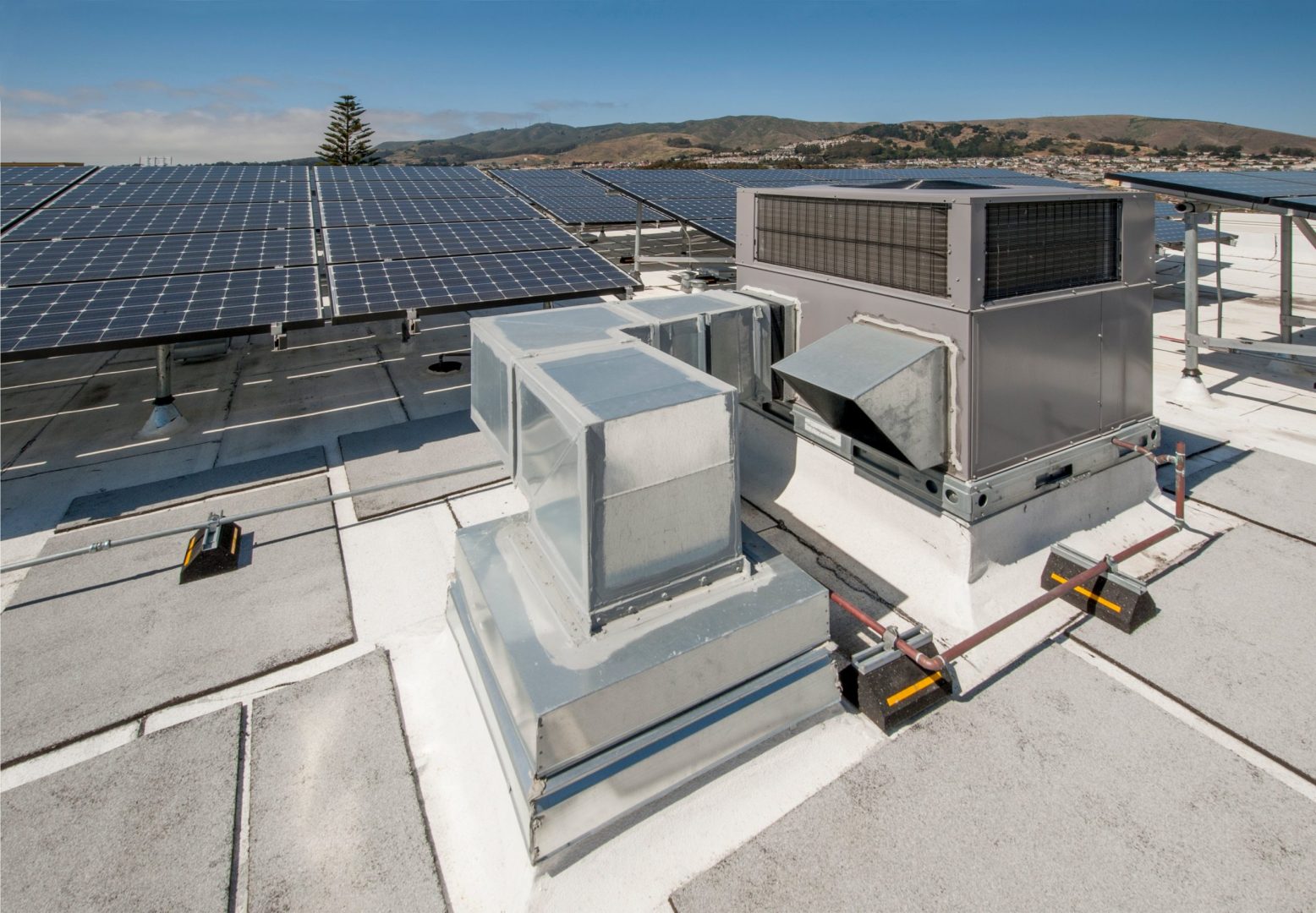
Solar thermal and sustainably sourced biomass remain complementary: solar thermal provides free heat in sunny months and pairs well with thermal storage, while modern biomass boilers can be effectively carbon-neutral when feedstock is certified. For a technical overview and deployment cases, see this reference on sustainable eco heating options. Insight: matching resource form (electricity, solar heat, biomass) to local conditions is the core of effective system design.
Smart controls, radiators and occupant behaviour for maximum savings
Smart thermostats, TRVs and building management systems extract value from existing hardware by reducing wasted runtime and adapting schedules to real occupancy patterns. Smart control algorithms can cut heating energy by double-digit percentages by learning routines and avoiding unnecessary pre-heating.
Upgrading radiators to low-water-content or aluminium designs improves responsiveness, particularly when paired with heat pumps. Regulations like LOT20 drive higher baseline efficiency for electric heaters and encourage devices with programmability; practical guidance is available in this article on smart eco heating controls. Insight: control upgrades often deliver the fastest payback among retrofit measures.
Case study: Maya’s retrofit and measured outcomes
Maya replaced an old gas boiler with a hybrid system: an air-source heat pump, a small solar thermal array and smarter radiators. Within a year, her household recorded a 30% reduction in gas use and a measurable fall in peak demand.
She credited the installer—sourced through a certified local contractor—and incentives that covered a portion of equipment cost. For economics and bill impact scenarios, consult the analysis of how eco heating lowers energy bills. Insight: combining behavioural change with technology multiplies system efficiency.
Economics, incentives and scaling adoption in 2025
Upfront costs remain the main barrier, but targeted subsidies, low-interest loans and bulk procurement models compress payback timelines. Governments increasingly offer grants and tax credits to accelerate uptake and to stimulate installer training programmes.
Manufacturers such as SustainHeat Innovations and EcoTherm Systems are reducing costs through modular designs and factory pre-assembly. Independent assessments of benefits and incentives can be found at this summary on benefits of eco-friendly heating. Insight: policy design that couples incentives with workforce development unlocks rapid market growth.
Scaling examples and local policy levers
Municipal programmes that bundle retrofits for verifiable savings show strong results: one district procurement in 2024 delivered a 20% cost reduction per installed heat pump through volume discounts and standardised installation protocols. Companies such as GreenPulse Heating and EcoWave Thermal have begun partnering with utilities to offer performance contracts.
For homeowner-focused decision tools and expected savings projections, see the practical guide to energy savings from eco heating. Insight: aggregation and procurement scale are the fastest levers to drive down unit costs.
From single homes to district heating: the path to systemic decarbonisation
District-level strategies enable the integration of waste heat, geothermal sources and large heat pumps, which can decarbonise multiple buildings with economies of scale. Companies like PurePlanet Heaters and EarthSmart Heat are piloting combustion-free distribution networks that demonstrate lower lifecycle emissions versus distributed boilers.
Local grids that coordinate demand response with distributed renewables can absorb higher heat pump loads while lowering marginal grid carbon intensity. For broader framing and green-energy integration, consult this overview of eco heating and green energy. Insight: coupling building-level upgrades with grid-level planning multiplies climate benefits.
Final operational insight for decision-makers
Adoption should be prioritised where insulation is cost-effective and heating loads are highest; retrofits must pair envelope improvements with efficient systems. Private companies such as GreenGlow Heating and EcoFriendly Heat Co. offer scalable packages, but the greatest impact occurs when policy, finance and education align to lower barriers.
For step-by-step implementation advice and comparative system data, explore the central resource at EcoHeat Guide and the focused pieces on benefits of eco heating. Insight: the combined effect of technology, behaviour and policy turns individual retrofits into systemic decarbonisation.