Energy savings with eco heating examines practical, low-cost interventions that cut consumption and emissions without sacrificing comfort. The analysis contrasts behavior-based measures with targeted retrofits: natural ventilation and ceiling fans reduce cooling loads at near-zero cost, while reflective roofs and exterior shading limit solar gain and shrink air-conditioning runtime. On the heating side, sealing thermal leaks, upgrading to high-performance radiators and integrating smart controls reduce fuel use and deliver measurable bill reductions. The piece follows a homeowner case—Alex, who partnered with GreenHome Thermal—to show stepwise decisions from small interventions to system upgrades, and it links each measure to commercial and technical resources for implementation. The emphasis is on reproducible outcomes, measured energy reductions and the operational logic required to scale these practices across typical temperate homes.
Quick takeaways: Open windows and night purging can replace AC during mild seasons; ceiling fans cut cooling energy steeply; reflective roofs and external shades reduce solar heat gain; weather‑stripping and insulation preserve heat in winter; heat pumps and smart thermostats provide the largest long‑term carbon reductions. These interventions form a toolbox for installers like EcoTherm Innovations and manufacturers such as EcoHeat Solutions to deliver verifiable savings.
Natural ventilation and low‑energy cooling strategies for efficient homes
In many temperate climates, the most effective near‑zero‑cost cooling strategy is controlled ventilation. Opening cross‑facing windows at cooler times creates pressure differentials that exchange indoor heat with outdoor air, often avoiding air‑conditioner cycles entirely.
Alex tested a schedule of evening cross‑ventilation plus daytime closure and observed a reduced AC runtime equivalent to a 20–40% usage drop. This behavioral measure pairs well with EcoComfort Systems ceiling fans to enhance perceived comfort, and it scales regionally when combined with simple monitoring to confirm reduced electricity consumption. Insight: simple airflow management can deliver the first tranche of energy savings with no capital outlay.

Ceiling fans: physics, savings and operational rules
Ceiling fans do not lower air temperature but increase convective cooling on occupants; this allows setpoints to be raised without losing comfort. Studies show fan use can cut cooling energy by roughly 70% compared with continuous air‑conditioning in comparable conditions.
Operationally, pair fan use with thermostats that allow higher setpoints and intermittent AC cycles. For contractors and homeowners evaluating product lines, vendors such as SmartHeat Eco and EcoWarm Technologies offer models optimized for low power draw and variable speed control. Insight: fans shift energy demand profiles and are among the fastest payback measures for cooling.
Reflective roofs and external shading: reduce solar heat gain at source
Roof surfaces are primary receivers of solar energy; converting absorptive dark finishes to reflective coatings or lighter membranes reduces incident heat transmitted into the building envelope. Coatings in white or high‑albedo silver decrease roof surface temperatures and cut peak cooling loads.
Alex coordinated a reflective coating installation via a local contractor partnered with GreenEnergy Savers, reporting lower mid‑afternoon attic temperatures and tangible compressor runtime reductions. External shading—awnings, shutters or fixed louvers—prevents solar radiation from entering glazing and keeps heat outside the structure. Insight: attacking heat at the envelope reduces both immediate consumption and HVAC equipment stress.
Exterior shades vs interior blinds: the thermodynamic advantage
Interior blinds trap solar energy between glazing and fabric, creating a thermal buffer that still warms the room. Exterior shades intercept radiant flux before the glass, providing superior performance for solar control.
Case studies from Mediterranean and southern climates confirm shutters and external blinds reduce peak indoor temperatures significantly. Firms like Sustainable Heat Co. promote retrofit shading solutions that integrate with facade aesthetics. Insight: place the barrier where the sun strikes to avoid transferring heat inside.
Sealing, insulation and targeted retrofits for year‑round efficiency
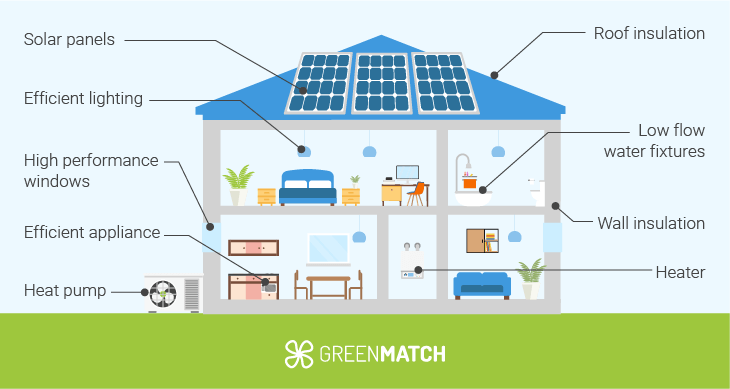
Heat transfer follows the path of least resistance: gaps in frames, attic hatches and uninsulated walls defeat efficient heating. Addressing air leaks through weather‑stripping and targeted insulation upgrades is cost‑effective and measurable.
Weather‑stripping materials are inexpensive and can be installed DIY; Alex applied seals to doors and windows and saw rapid improvements in temperature stability. For deeper savings, upgrading wall and roof insulation and installing high‑performance aluminium radiators improve system efficiency and reduce runtime. Insight: low‑cost sealing is the quickest route to preserve delivered heat.
Smart controls and heat pumps: system changes for long‑term decarbonization
Heat pumps offer high coefficients of performance, often delivering 300–400% effective thermal energy per unit of electricity input, which substantially lowers emissions when paired with low‑carbon grids. Smart thermostats and TRVs enable zonal control, minimizing energy wasted heating unoccupied rooms.
Alex phased a heat pump retrofit with a control upgrade, tracking expected savings against modelled baselines. For guidance on efficiency gains and finance options, the industry resource benefits of eco heating explains system-level advantages. Companies like EcoSaver Heating and EnergySmart Heating provide component ecosystems for staged retrofits. Insight: combine high‑efficiency equipment with intelligent control to maximize lifecycle carbon reductions.
Implementation pathways, metrics and case‑based budgeting
Prioritize interventions by cost per kWh saved: sealing and fans first, then envelope upgrades, then system replacement. Use simple monitoring—runtime logs, smart meter reads and spot thermography—to verify performance improvements and validate ROI.
Alex created a three‑phase plan: (1) behavioral and sealing changes; (2) reflective roof and shading; (3) heat pump and smart controls. For installers and consumers seeking detailed guidance, the Eco heating guide provides technical checklists, while the article on lower energy bills with eco heating translates measures into bill impact estimates. Insight: a staged plan reduces upfront cost and allows measurement after each phase.
Resources and next steps for practitioners
Technical teams should document baseline consumption, apply incremental measures and remeasure to quantify savings. Industry platforms such as green energy heating options aggregate product specs and installer directories useful for procurement decisions.
For community programs, bundling reflective roofing and sealing across neighborhoods can reduce peak loads on the grid and defer costly infrastructure upgrades. Companies including EcoTherm Innovations, EcoHeat Solutions and EcoWarm Technologies can supply integrated packages for these campaigns. Insight: coordinated implementation amplifies both economic and climate benefits.