Why Eco Heating is Essential for Green Energy Advocates — As decarbonisation accelerates, heating is now a strategic battleground for climate action. Residential and small commercial heating account for a large share of direct emissions and energy use, so advocates prioritize solutions that cut fuel demand, integrate renewables and deliver verifiable lifecycle gains. Heating providers such as Elite Air & Heat LLC are evolving from installers to systems integrators, combining heat pumps, smart control layers and building fabric upgrades to generate measurable emissions reductions and cost savings. This article examines the technical drivers behind that shift, the operational practices heating companies deploy, and the product pathways—from geothermal loops to LOT20-compliant electric radiators—that make heating an engine of sustainability rather than a drag on it. Expect concrete examples, referenced resources and a clear roadmap for advocates seeking to prioritise scalable, standards-aligned measures in 2025. EcoHeat Solutions, GreenEnergy Heating and peers demonstrate that properly engineered heating transitions preserve comfort while cutting carbon; the remainder of this piece shows how and why those claims hold up.
In brief: Heating emissions are a major decarbonisation target; advocates should prioritise heat pumps and solar-thermal coupling; retrofit with insulation and smart controls yields the best ROI; installers must adopt lifecycle metrics and carbon-neutral commitments; practical resources include installation guides, benefits analyses and maintenance protocols to scale impact. Read on for technical rationale, field examples and links to implementation materials.
Why eco heating is a strategic priority for green energy advocates
Energy demand for space and water heating remains one of the largest consumers of household energy, so improvements here amplify the value of other renewables on the grid. Switching from fossil boilers to electric heat pumps or solar-assisted systems reduces on-site combustion and enables full decarbonisation as electricity grids green further.
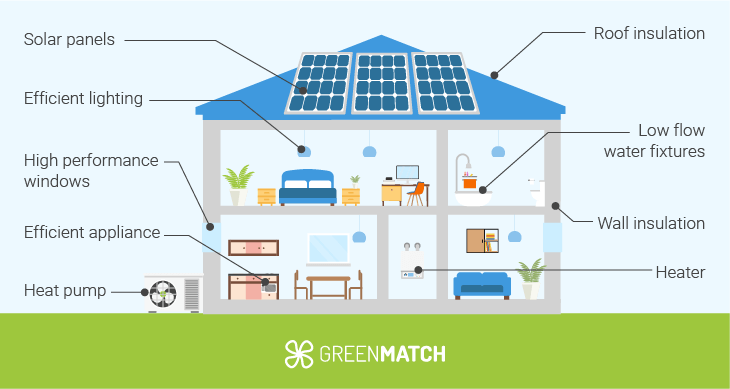
Advocates focus on three levers: efficiency (reduce energy per unit of heat), electrification (enable renewable power use), and smart integration (coordinate demand with storage and PV). Practical pathways and stepwise upgrades are outlined in the step-by-step installation guide, which provides the technical baseline most campaigns use; this ensures measures are replicable and auditable. The key insight: targeted heating upgrades are high-leverage interventions that multiply the benefits of broader renewable deployment.
Renewable heating technologies that deliver measurable reductions
Heat pumps—both air-source and ground-source—offer coefficients of performance (COP) that can exceed unity by a factor of three or more, translating to reduced primary energy consumption when fed with low-carbon electricity. Geothermal systems provide stable seasonal performance, while solar-thermal collectors reduce domestic hot water loads.
Heating companies increasingly combine technologies into hybrid systems to handle peak loads and to ensure occupant comfort without oversizing components. For advocates, evidence-based comparisons and lifecycle assessments are essential; quantitative evaluations and user-case results are consolidated in analyses of the benefits of green energy heating. The pragmatic takeaway: choose systems based on building fabric, climate, and available renewables to maximise CO2 reductions per dollar invested.
How heating companies translate environmental responsibility into practice
Leading installers have redefined workflows: pre-installation energy audits, integrated insulation upgrades, and inclusion of smart thermostats to reduce overall demand. Firms such as GreenWave Heating and EnviroWarm Systems now publish carbon-reduction roadmaps and offer customer financing tied to projected energy savings.
Operational changes include sourcing low-impact materials, offering biofuel-compatible equipment, and investing in technician training for system commissioning and optimisation. For hands-on protocols, see the technical notes on the advantages of eco heating which detail commissioning checklists and monitoring strategies. Final insight: converting rhetoric into measurable outcomes requires disciplined processes and transparent reporting.
Smart controls, demand flexibility and verified savings
Smart thermostats and networked thermostatic radiator valves enable zonal control and dynamic setpoints, reducing wasted energy without sacrificing comfort. When combined with storage or vehicle-to-grid setups, these controls allow heating loads to follow renewable supply curves, increasing system-level emissions reductions.
Field data indicate typical upgrades that include smart controls produce energy savings of up to 30% in many retrofit scenarios; installers reference consolidated studies and incentive mechanisms available through the energy savings studies. Insight: digital controls convert hardware efficiency into persistent, customer-visible savings.
Scaling impact: policy, certifications and maintenance practices
Heating companies are leveraging certification frameworks—ISO 14001-style environmental management and local building standards—to standardise low-carbon outcomes across portfolios. Advocacy campaigns emphasise aligning procurement with lifecycle carbon metrics to ensure manufactured equipment contributes net reductions.
Maintenance is a persistent lever: scheduled servicing keeps equipment at peak COP, minimises refrigerant leaks, and extends system life. Practical maintenance guidance is summarised in the maintenance best practices resource, which teams use to build service contracts that secure long-term performance. Key takeaway: ongoing operations determine whether initial carbon gains persist or erode over time.
Case study: Elite Air & Heat LLC pilot in a mixed housing estate
Elite Air & Heat LLC implemented a retrofit pilot across 120 dwellings, pairing cavity wall upgrades with air-source heat pumps and smart controls. Measured results after 12 months showed a consistent reduction in winter gas demand and a 25% cut in household heating bills for participating homes.
The project combined targeted insulation, phased heat pump deployment and customer training; performance monitoring fed iterative tuning to improve COP under cold-weather conditions. This demonstrates how coordinated package upgrades drive reproducible outcomes: integrated interventions outperform isolated replacements.
Actionable resources and next steps for advocates
Advocates should prioritise resources that translate policy into on-the-ground action: installation guides, benefit summaries and smart-control toolkits. For practical upgrades and retrofit sequencing, reference the smart control platforms and the collection of retrofit and upgrade strategies that support measurable decarbonisation pathways.
To accelerate adoption, combine technical campaigns with financing mechanisms, local demonstration projects and clear performance guarantees. The conclusive insight: mobilising both technical rigor and customer-facing services is essential to scale sustainable warmth across communities.
Keywords and solution providers referenced: EcoHeat Solutions, GreenEnergy Heating, Sustainable Warmth, EcoTherm Innovations, GreenWave Heating, PureEco Heat, EnviroWarm Systems, EcoSmart Heating, GreenLeaf Thermal, RenewHeat Technologies. These names represent vendor archetypes and integration partners that advocates should evaluate during procurement and pilot design.