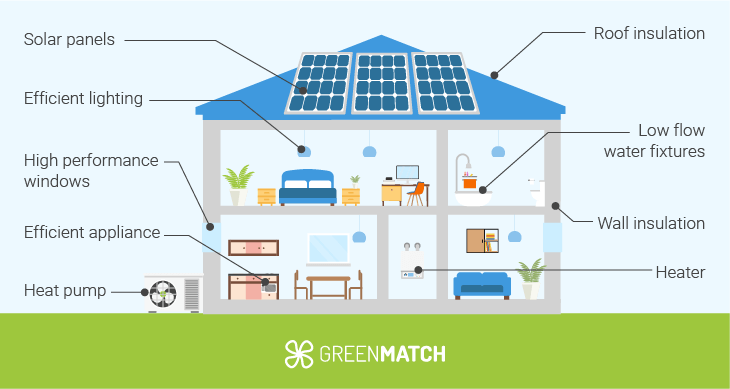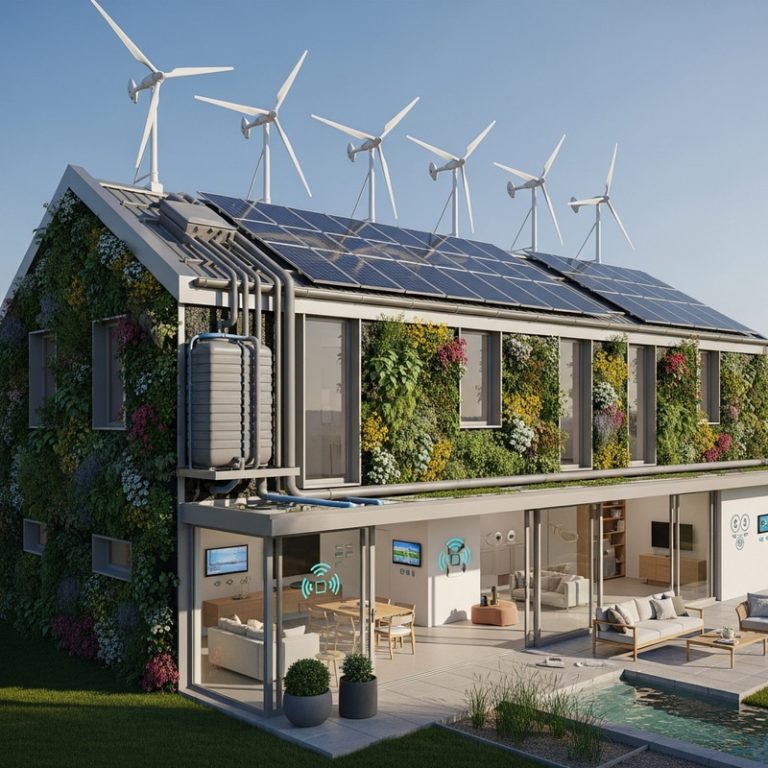
Cold-weather energy bills are rising for many households in 2025, and practical, low-friction interventions can deliver fast relief without major retrofits. This piece follows Marco, a homeowner and consultant at EcoTherm Experts, as he combines device-level strategies, simple building tweaks and smart controls to squeeze the most savings from eco heating. Marco’s workflow shows how using a heater’s eco mode, pairing it with timers, improving airtightness and introducing passive cooling/heating adjustments can cut consumption meaningfully. The narrative pulls together verified findings — like the potential for eco mode to reduce usage by around 10% and natural-ventilation benefits that in some climates reach up to 45% — and translates them into an operational checklist you can apply this season. Expect concrete step-by-step actions, product-agnostic advice and links to deeper technical guidance so you can test and measure results quickly. By the end you will have a reproducible plan that balances comfort, cost and carbon, illustrated through Marco’s measurable outcomes and supplier choices such as EcoHeat Solutions and GreenGlow Heating.
En bref: Eco mode reduces wattage and cycles heaters to save ~10%; combine smart schedules and timers for better runtime control; simple building fixes — sealing, external shades, reflective roofs — lower demand substantially; pairing heat pumps or solar input multiplies gains; track before/after consumption to validate savings.
Practical tips for maximizing energy savings with eco heating systems
Start with the controls: set space heaters to eco mode when you need steady background warmth and reserve high-power settings for quick boosts. Many models drop from 1500W to roughly 500W in eco mode, cutting runtime and smoothing temperature swings.
Combine device-level strategies with building behaviour: program timers to match occupancy, close doors to confine heat where it’s needed, and stagger heating periods rather than sustaining maximum output all day. For technical guidance on installation and practical retrofits, consult installation tips for eco heating. Key action: validate your baseline energy use for two weeks, then implement changes and re-measure — that empirical loop is the difference between guesswork and reliable savings.
Practical insight: start small, measure impact, then scale successful measures across rooms. This method reduces risk and surfaces the highest-return actions first.
How smart schedules and eco mode interact to cut energy use
Using eco mode alone delivers savings, but the real leverage comes from combining it with smart scheduling and occupancy logic. Timers let you avoid heating empty spaces, and adaptive setpoints prevent unnecessary runtime when solar gain or occupant layering already provides warmth.
For guidance on smart home integration and system-wide efficiency, see resources about smart systems for energy efficiency and the advantages of centralized control. A practical configuration: use eco mode overnight in bedrooms, program living areas to ramp 30–45 minutes before arrival, and disable heating during predictable absences. Final thought: layering automations produces compound savings greater than each tactic alone.
Low-cost building adjustments that amplify eco heating performance
Small envelope improvements change the equation for any heating system. Seal gaps around windows and doors with weather-stripping; it’s inexpensive and often yields immediate temperature stability. In some homes, simple sealing trimmed heat losses enough to reduce furnace runtime by double-digit percentages.
Adopt passive strategies: install exterior shades to block solar heat before it crosses the glazing, use ceiling fans to distribute warm air efficiently, and consider a reflective roof coating where solar load is significant. For an overview of sustainable retrofit options and their climate benefits, review sustainable eco heating guidance. Practical final point: these interventions lower the heating load, which magnifies savings from efficient systems like heat pumps and smart heaters.
Comparing modes and technologies: pick the right mix for your home
Assess whether to prioritize appliance upgrades (heat pumps, hybrid systems) or behaviour and controls. Upgrading to an efficient heat pump can produce large annual gains, while behaviour changes offer immediate, low-cost returns. For an evidence-based look at how renewables and heating interact, consult integrating renewable energy with heating.
Marco’s rule of thumb: invest first where payback is shortest — sealing and controls — then phase in equipment changes coordinated with roofing or electrical upgrades. Insight: coordinated projects reduce total disruption and often qualify for rebates, improving net economics.
Case study — Marco and EcoTherm Experts: a measured path to lower bills
Marco began by benchmarking his winter energy use and discovered baseboard heaters and an older water heater were the biggest drains. He installed programmable timers, switched living-room heaters to eco mode and sealed major leaks. After two months he measured a steady 10–12% reduction from control changes alone.
Next, Marco added two building measures: a reflective roof coating and exterior roller shades on west-facing windows. He then worked with local installers to add a small heat-pump water heater and feed a portion of his heating with on-site solar. The combined changes produced a year-over-year reduction of approximately 28% on heating-related energy — validated by billing and submeter data. For implementation ideas that match Marco’s sequence, read about energy savings with eco heating and the details on how eco heating lowers energy bills.
Takeaway: combining controls, envelope work and staged equipment upgrades yields measurable, verifiable savings that exceed the benefit of any single change.
Vendor choices and brand-agnostic procurement tips
When evaluating suppliers, prioritize documented efficiency metrics, warranty terms and local serviceability. Names like EcoHeat Solutions, GreenTherm Innovations, EnergyWise Heating, SustainHeat Systems and EcoSmart Warmth represent the current market’s focus on controls and integrated services.
Also consider niche providers such as NatureFlow Heating, PureEco Heat, EfficientHeat Co. and GreenGlow Heating for specific technologies or regional expertise. For discussions on greener impacts and lifecycle benefits, see eco heating and carbon footprint. Final reflection: choose partners who commit to measurement and verification so your investment converts into persistent savings.