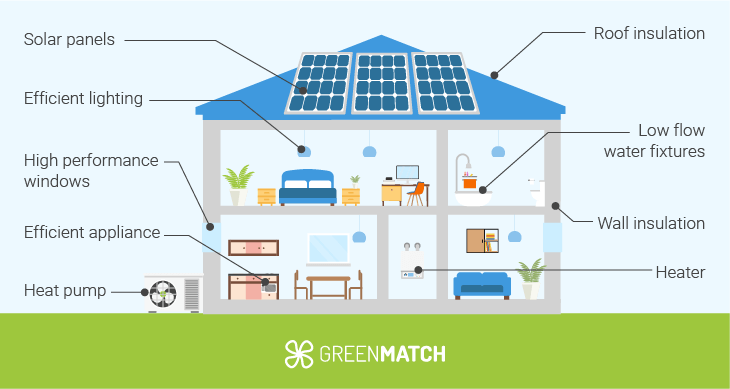
Smart control systems for home heating have moved from convenience items to central tools for cutting energy waste and operating costs. In typical homes heating represents nearly half of energy spending, so optimizing heater behavior yields outsized returns. This article follows homeowner Alex Carter as he upgrades an ageing system with a mix of EcoHeat hardware and cloud-based platforms like SmartSave Energy and GreenTherm Controls, testing schedules, zoning and demand-response participation to measure real monthly savings. Practical tactics covered include precise scheduling, room-by-room zoning with smart vents, integrating weather forecasts into setpoint planning, and using eco modes to reduce runtime during low-occupancy periods. The technical focus emphasizes measurable outcomes: energy reports, remote overrides, and firmware updates that improve algorithms in 2025-era devices. Case data show that combining a smart thermostat with disciplined maintenance and duct sealing can reduce consumption substantially while preserving comfort. Read on for appliance-level tactics, installation guidance, and the behavioral changes that amplify automated gains — each section ends with a clear operational insight you can apply immediately.
In brief: Optimize schedules to run heating only when rooms are occupied, improving efficiency immediately.
Zoning prevents wasted heat in unused spaces and reduces overall run-time.
Use eco modes at night and during absence to lower energy draw without losing comfort.
Professional setup and correct thermostat placement maintain expected savings and prevent performance loss.
Maintenance like monthly filter changes and duct sealing sustains gains and protects long-term efficiency.
Smart heater control: maximize energy efficiency & savings with connected systems
Smart thermostats and integrated controls turn a reactive heating system into a predictive asset. By combining occupancy detection, geofencing and historical behavior, platforms such as EcoSmart Heating and EnergyWise Thermostat minimize unnecessary cycles and limit temperature drift across the day.
When Alex switched to a connected stack, he gained access to continuous energy reports and remote overrides that reduced his monthly heating runtime by measurable percentages. The operational insight: connectivity converts passive equipment into a monitored, optimizable system.
How smart controls improve heater efficiency through sensing, algorithms, and integration
Modern controllers use multiple inputs — motion sensors, door/window states, external weather feeds — to adapt setpoints dynamically. Features like learning schedules and geofencing prevent heat from conditioning empty rooms and reduce manual thermostat interactions.
Integration with broader ecosystems, including GreenHome Thermostat hubs and EcoLogic Controls, creates a feedback loop: energy reports reveal patterns, automation acts, and savings compound. The operational insight: data-driven automation outperforms manual schedules for consistent savings.
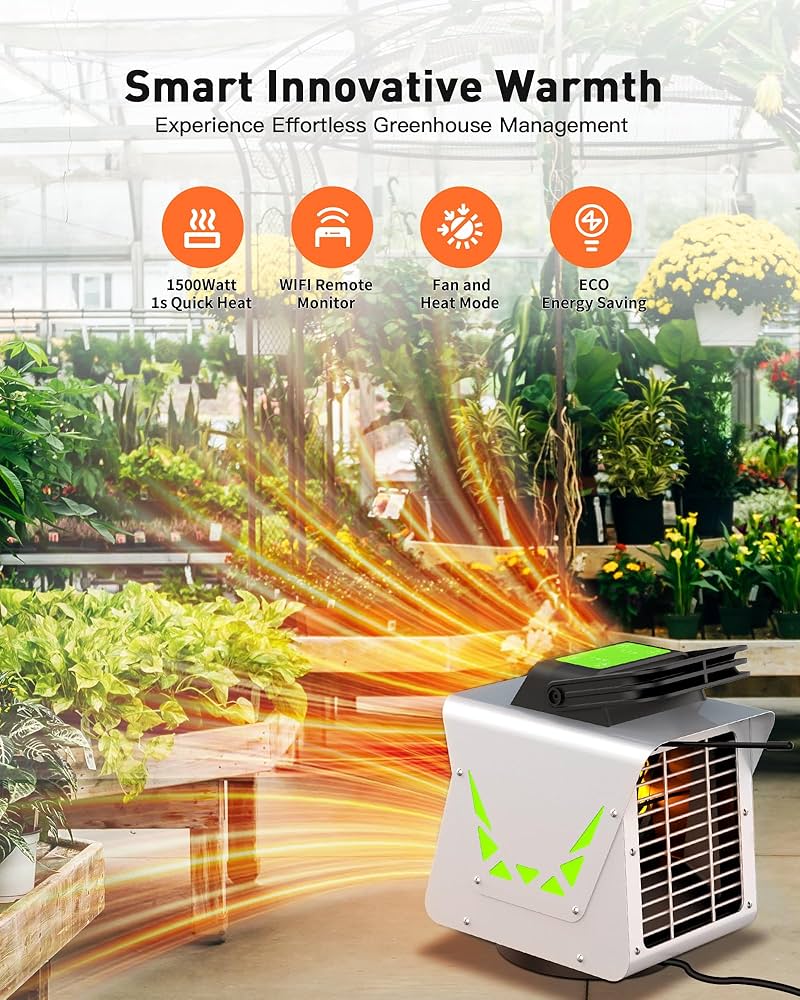
The image above shows the typical control surface and mobile view homeowners use to validate savings and tweak behavior. Visual confirmation of temperature zones and runtime helps translate abstract reports into actionable adjustments.
Technical walkthroughs demonstrate how to configure eco modes and link sensors; this practical guidance shortens the learning curve for installers and DIY users alike. Watching a step-by-step video can prevent common configuration errors. Operational insight: visual setup guides reduce installation mistakes that erode efficiency.
Advanced optimization strategies: zoning, weather-responsiveness and demand response
Zoned heating divides a house into independently controlled areas so you only heat lived-in spaces. Smart vents and wireless temperature sensors enable zoning without major ductwork modifications, a solution Alex used to avoid disruptive renovations.
Weather-responsive controls use local forecasts to precondition the building envelope and lower peak runtime, while demand response programs allow minor, compensated setpoint shifts during grid peaks. The operational insight: combining zoning with weather-aware algorithms maximizes comfort per kilowatt-hour.
Installation and setup tips to protect expected savings
Professional installation matters: incorrect thermostat placement or improper wiring can cut expected efficiency by sizeable margins. Certified HVAC technicians should verify placement on interior walls away from drafts and perform system compatibility checks and calibration.
Recommended operating setpoints include 68°F when home, 60–62°F when sleeping or away, and a safe 55°F minimum to avoid freezing risks. Alex’s installer documented these settings and logged baseline energy use for post-install comparison. The operational insight: accurate installation plus baseline measurement secures claimed savings.
Instructional videos clarify actuator placement for smart vents and demonstrate how to balance zones to avoid pressure imbalances. Following a visual guide cuts troubleshooting time during commissioning. The operational insight: proper commissioning ensures zones behave as designed.
Optimizing eco modes and occupant behavior for persistent savings
Eco modes are designed to reduce energy use during low-occupancy windows by relaxing setpoints slightly while maintaining acceptable comfort. To be effective they need consistent activation during predictable absence or nighttime periods and should be integrated with occupancy sensors and smart blinds.
Devices like HeatSaver Pro, EcoBoost Heating, and platforms branded SmartEco Heating typically expose adjustable eco-mode ranges so users can balance comfort and savings. Avoid frequent manual overrides, and review schedules seasonally to maintain efficiency gains. The operational insight: small behavior changes plus automation compound into meaningful bill reductions.
Future-proofing: AI forecasting, renewables and system upgrades
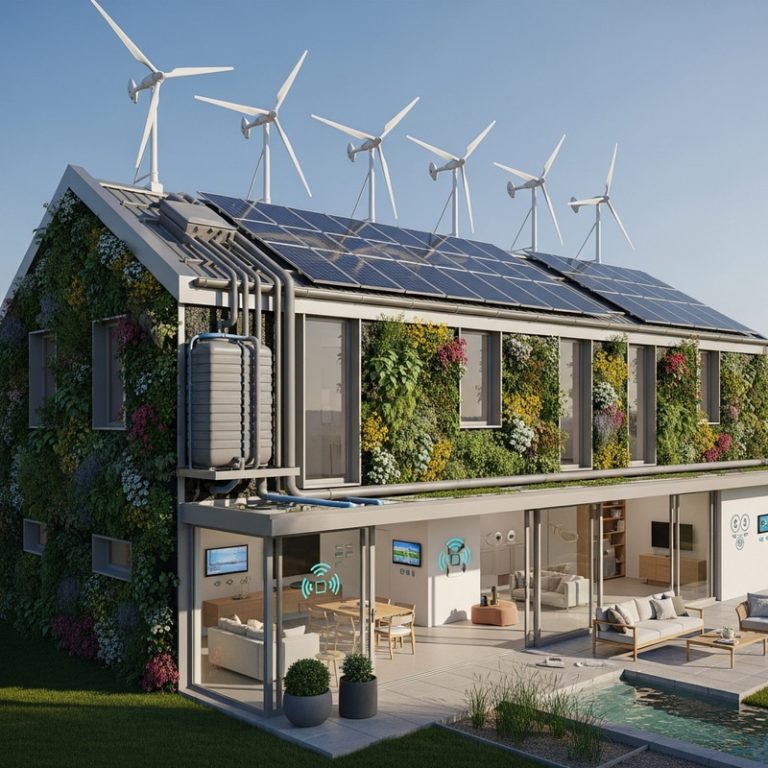
Emerging features to watch include AI-powered predictive heating that uses building thermal models, integration with on-site renewables, and thermal storage that shifts load to cheaper periods. Homes connected to renewable sources can pair storage with smart controls for optimized self-consumption.
For households planning upgrades, consult resources on renewable integration and system selection to match controls with generation profiles; see the linked installation and energy guidance for specifics. The operational insight: planning for AI and renewables today preserves upgrade paths and maximizes lifetime savings.
Relevant resources and deeper reads: the smart eco heating guide explains device selection, while research on smart systems for energy efficiency outlines algorithmic benefits. For real-world cost impacts see the analysis of eco heating energy bills, and consult installation tips before upgrading hardware. Strategic approaches to additional savings appear in the energy savings strategies review and in materials on integrating renewables. The operational insight: leveraging curated guides and installation checklists converts intent into measurable outcomes.