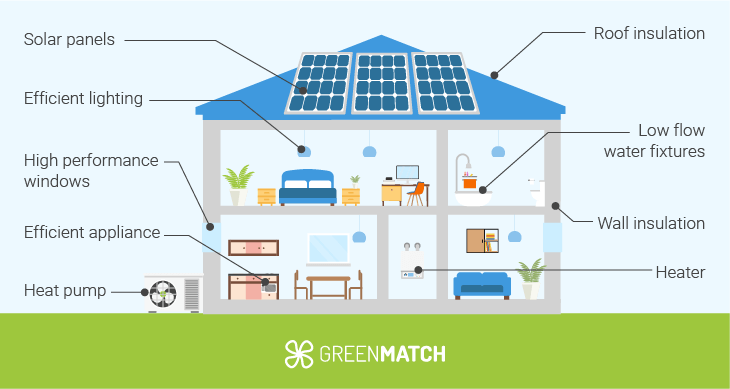
Energy efficiency is no longer optional for homeowners balancing comfort, costs and climate commitments. In 2025, advances in heat-pump controls, smart thermostats and system integration let homeowners expect measurable reductions in consumption without sacrificing comfort. Take Lena, a suburban homeowner who replaced an aging furnace with a variable-speed heat pump paired to a smart control: her winter consumption fell sharply while indoor temperature swings disappeared. This piece explains what to expect from modern eco heating, from the operational logic of eco mode on space heaters to whole-house solutions like geothermal loops, and it connects those technologies to practical savings, installation trade-offs and maintenance needs. You will find how manufacturers and installers use names such as EcoHeat, GreenTherm and HeatSmart to signal features, but the real test is measured performance: up to 30% savings on targeted electric heating, 300–400% efficiency for modern heat pumps, or even up to 70% savings for geothermal systems under ideal conditions. Expect actionable guidance on sizing, envelope upgrades and control strategies that deliver predictable outcomes for bills and emissions.
In brief — key takeaways you can act on now: modern electrified heating with smart controls yields significant reductions in consumption; pairing equipment selection with building envelope improvements multiplies savings; choose systems (heat pump, geothermal, or high-efficiency condensing furnace) based on climate, budget and land constraints; leverage rebates and the latest installation best practices to shorten payback; and monitor performance with energy dashboards to sustain gains.
How eco heating technologies reduce consumption and costs
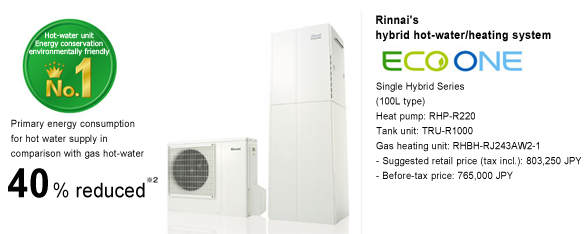
At the equipment level, eco heating shifts the paradigm from steady high-power output to optimized energy transfer and control. Heat pumps move heat rather than generate it, achieving a system coefficient of performance that can exceed 300–400% efficiency under favorable conditions, while condensing furnaces extract additional energy from exhaust gases to reach AFUE values above 95%.
Smart control layers—branded features like EnergyWise, EcoSave or EnergyGuard—use occupancy, weather forecasts and adaptive learning to minimize runtime without undermining comfort. These integrated strategies explain why manufacturers and installers reference resources such as the eco heating systems overview when designing projects. Final technical insight: measure system COP or HSPF in situ to validate vendor claims and secure incentives.
Practical comparison: heat pump, geothermal and condensing furnaces
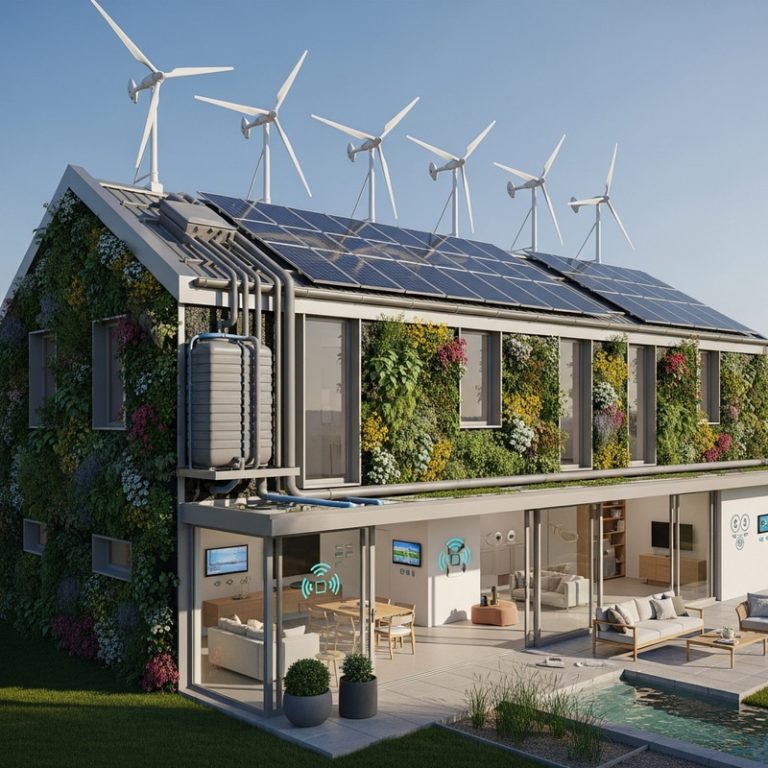
Choose a cold-climate heat pump when you want electrified HVAC with both heating and cooling in one package; modern units maintain performance at subzero temperatures and pair well with on-site solar for near-zero operational emissions. Lena’s project used a cold-climate inverter heat pump combined with a rooftop PV array and a smart green-energy systems controller to align generation with demand.
Geothermal delivers the highest steady-state efficiency and the longest lifespan, but its high site-prep cost and land needs make it a narrower fit. For homes tied to gas networks, a high-efficiency condensing furnace remains the cost-effective upgrade path; see benefits of eco-friendly heating for a comparative checklist. Key takeaway: match the thermal strategy to your property, not just the marketing label.
Control strategies, eco modes and measurable savings
“Eco mode” on space heaters and central equipment reduces runtime by modulating output and cycling devices to sustain setpoints with lower average power. In controlled tests and field deployments, enabling eco modes and adaptive setback strategies frequently translates to up to 30% savings in targeted electric heating loads.
Integrate device-level eco features with a whole-home strategy—zone controls, improved envelope and a smart thermostat—to compound benefits. For implementation guidance and monitoring practices consult the detailed energy savings from eco heating resources. Insight: persistent savings require both correct initial setup and periodical calibration against real usage data.
Real-world deployment: case study and installation tips
GreenTherm Solutions installed a variable-capacity heat pump in a 1960s bungalow and documented a 40% reduction in seasonal heating energy versus the prior oil-fired boiler. The project paired equipment swap with targeted envelope work—air-sealing and attic insulation—demonstrating that equipment alone rarely achieves maximum performance.
Follow installation guidance to limit common errors: correct refrigerant charge, proper line-set lengths, accurate duct sealing and right-sized circulation pumps. For step-by-step advice see the installation tips page and plan an annual tune-up to preserve efficiency. Final point: procurement and installation quality determine whether theoretical efficiency becomes realized savings.
Household measures that multiply system efficiency
Before upgrading hardware, tighten the building envelope. Small leaks add up: targeted sealing of windows, doors and penetrations delivers immediate reductions in heat loss and can lower heating demand by 10–20% savings for many homes. Lena prioritized weatherstripping and attic insulation before equipment replacement and saw improved comfort with a smaller-capacity heat pump.
Complement envelope work with low-cost controls: programmable setback, occupancy sensing and variable-speed circulation. These measures synergize with branded solutions like ThermaGreen, GreenFlow and EcoWarm to create a resilient, low-consumption system. Closing insight: the most advanced system will underperform in a leaky building, so sequence upgrades for the greatest return.
Financing, incentives and lifecycle considerations
Public incentives and tax credits in recent policy packages make electrification and geothermal installation more affordable; stack local rebates with federal tax options to improve payback. Use lifecycle cost analysis—accounting for installation, energy, maintenance and residual value—to compare options objectively.
Also factor equipment lifespan: geothermal loops can last over 50 years while indoor units run 20–25 years; heat pumps and condensing furnaces have different service profiles. For program details and rebate references consult the EcoHeat Guide and the smart eco heating resource to align purchases with available support. Final insight: incentives change frequently, so verify current programs during project planning.
Operational maintenance and long-term performance assurance
Routine maintenance preserves rated efficiency: clean filters, scheduled coil inspections, and annual refrigerant and airflow verification. Energy monitoring—via meter data or system dashboards—lets homeowners detect drift early and quantify savings from strategies labeled EnergyWise or HeatSmart.
Set performance benchmarks at commissioning and re-check annually; document runtime hours, COP and distribution losses. This disciplined approach ensures models like EcoEnergy and EnergyGuard live up to expectations. Closing insight: documented performance is the difference between claimed and realized savings.
Next operational step for homeowners
Start with a targeted energy audit to reveal the highest-return improvements, then sequence envelope work ahead of equipment replacement. Consult installers who provide measured performance guarantees and tie incentives to verified outcomes.
For additional technical guidance and consumer-facing primers, review the sustainable living and eco-heating carbon footprint materials on the EcoHeat Guide. Final insight: prioritize verification and measurement to convert expected savings into dependable results.