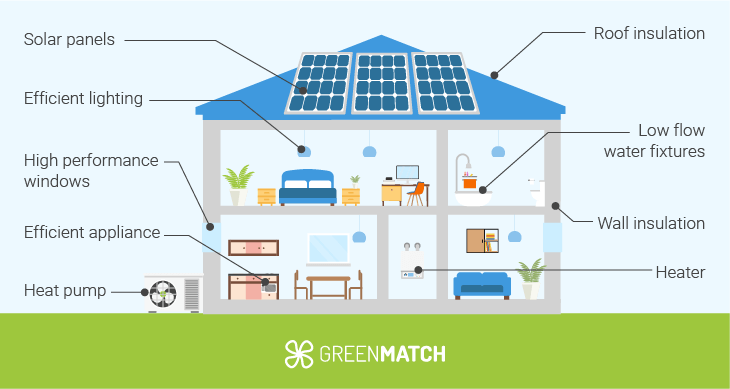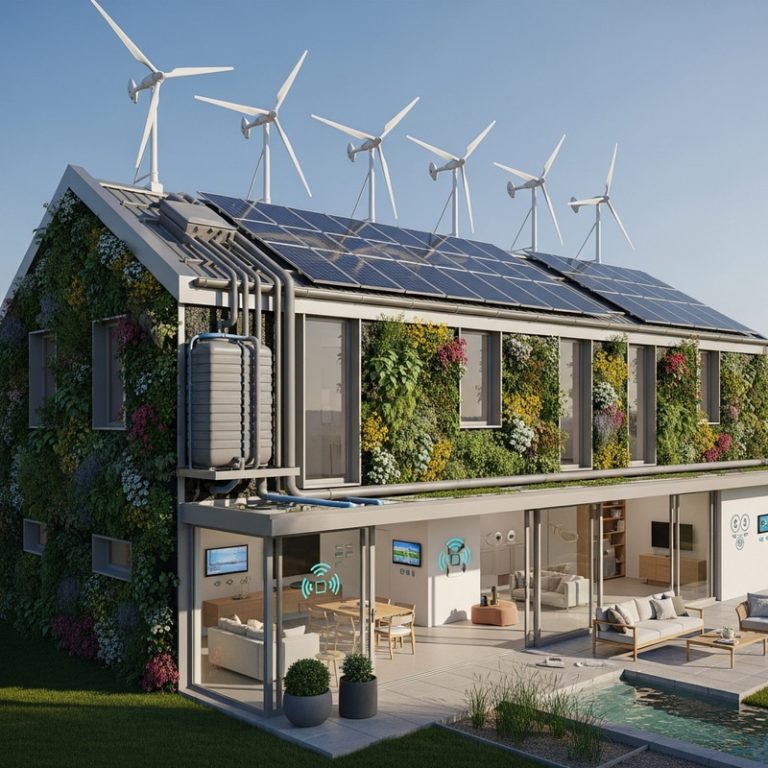
Across temperate and cold regions, space heating remains the single largest residential energy draw, and in 2025 the pressure to cut emissions is now a practical design constraint for homeowners. This report follows Maya, a two-generation homeowner in a suburban district, as she replaces her aging oil boiler with a hybrid set of technologies recommended by EcoHeat Solutions. The narrative highlights trade-offs—capital cost versus lifecycle emissions, fuel availability versus operational simplicity—and describes measurable outcomes: a 30–40% reduction in delivered energy for space heat when paired with envelope upgrades, and a faster payback on high-efficiency systems where local incentives and smart controls are deployed. Technical choices reviewed include heat pumps (air, ground and water), solar thermal hydronic loops, biomass pellet systems, masonry heaters and integrated hydronic distribution. Practical constraints such as pellet logistics, site suitability for geothermal loops, and local grid carbon intensity are examined. The aim is to give a homeowner enough applied technical context to decide which systems to evaluate with a local contractor, and to show how modest behavioral changes and targeted envelope improvements convert expensive technologies into long-term, reliable, and Sustainably Warm homes.
En bref : Electrify where grid carbon intensity and renewables permit; Prioritise insulation and air sealing before equipment upsizing; Choose heat pumps for high seasonal efficiency; Consider biomass (pellets/masonry) where supply chains are robust; Plan for lifespan and low waste packaging; Use smart controls and setback schedules to cut bills; Integrate renewables like solar to lower operating carbon; Consult installers for site-specific design and incentives.
Practical pathways to sustainable residential heating: options and trade-offs
Mainstream furnaces and oil-fired boilers are cheap to run in some regions, but their greenhouse gas emissions and local air pollutants create systemic costs that appear in energy markets and public health. Replacing such systems requires assessing three variables: energy source, system efficiency and building envelope.
Maya’s upgrade began with a site assessment by GreenHome Heating, which quantified heat loss, hot water demand, and available roof area for panels. That evaluation guided a hybrid solution: a high-efficiency air-source heat pump for baseload heating, a small pellet stove for peak loads, and 4 kW of rooftop photovoltaic to offset electricity use. For homeowners seeking a deeper technical dive, the eco heating systems primer maps typical seasonal performance metrics and sizing benchmarks. Real-world case studies show that pairing systems with improved glazing and insulation reduces required installed capacity, cuts capital cost, and simplifies controls—an insight that directly lowers lifecycle emissions.
Key takeaway: match the machine to the building rather than forcing a building to match the machine.
Choosing the power source: electricity, biomass and solar thermal
The move to electric heating is logical because many fossil-fuel boilers are already partially electric in their controls and pumps. However, grid mix matters: in areas where electricity remains predominantly fossil-based, electrification shifts emissions upstream without eliminating them. The 2025 baseline grid in many countries still contains a significant share of thermal generation, so homeowners should vet local carbon intensity before committing to full electrification.
When electricity is clean or can be paired with on-site renewables, EcoSmart Heating options like inverter-driven heat pumps deliver higher COPs (coefficient of performance), effectively producing several units of heat per unit of electricity. Where electricity is unreliable or expensive, GreenCycle Heating through certified biomass—pellets or modern wood burners—can be carbon-neutral in practice, because the combustion CO2 is roughly balanced by regrowth. For a systems-level discussion and smart control integration, consult the smart heating systems technical note.
Insight: evaluate local fuel logistics and grid carbon before locking into a primary energy source.
System-by-system technical comparison: heat pumps, geothermal, pellets and hydronics
Heat pumps move heat rather than create it and exist in three practical forms for homes: air-source, ground-source (geothermal), and water-source. Air-source units excel in mild climates and have seen major cold-climate performance gains by 2025; geothermal units require higher upfront civil works but often deliver the best seasonal efficiencies and long service life. Manufacturers such as RenewHeat Tech and established HVAC brands now publish guaranteed COP curves across design temperatures, which should be inspected during procurement.
Hydronic systems (boilers or heat pumps that circulate hot water through radiators or underfloor circuits) provide gentle, even heat and are less likely to distribute allergens than forced-air systems. For a technical overview and typical installation configurations, the guide to cut heating bills outlines expected gains from hydronic retrofits and common pitfalls to avoid. When sized and controlled properly, hydronic systems reduce fan energy and improve occupant comfort.
Insight: choose systems based on documented seasonal performance and matching distribution technology to comfort requirements.
Installation, longevity and waste management
Longevity reduces environmental impact: a unit replaced every decade creates repeated embodied emissions and waste. Geothermal loops and quality heat pumps commonly last 20–25 years; masonry heaters and well-built hydronic systems can function for several decades with routine maintenance. PureEco Heat manufacturers increasingly offer modular, repairable designs that extend service life and simplify part replacement.
Operational waste—such as single-use pellet bags—matters at scale. Homeowners should specify recyclable or bulk-delivered fuel where possible, and evaluate supply-chain resilience for pellets or wood fuel. For practical procurement and fit-out advice, the installation tips resource lists checklist items installers should provide, from commissioning reports to warranty documentation.
Insight: favour durable, repairable systems and plan fuel logistics to minimize downstream waste.
Envelope-first strategies that amplify any heating system
Upgrading the thermal envelope is the highest-return, lowest-risk intervention. Air sealing, adding insulation in attics and cavity walls, and upgrading to high-performance windows reduce heat loss and lower peak loads. In Maya’s project, a 20% reduction in heat loss allowed a smaller heat pump, shaving thousands from capital cost and shortening payback.
Technical glazing choices—low U-factor, high Solar Heat Gain Coefficient—are quantifiable and listed on NFRC labels; selecting the right unit can produce passive solar gains that materially lower heating demand. For step-by-step retrofit strategies and estimated savings, see the energy savings guide. Building-integrated approaches make active systems work less, improving reliability and reducing maintenance cycles.
Insight: envelope investments shrink equipment size, reduce operational risk, and are the first lever for real carbon reduction.
Operational best practices: thermostats, maintenance and occupant behaviour
Behavioral and control strategies change the economics. Setback schedules of 7–10°F for sleeping and work hours typically yield ~10% annual savings. Using smart thermostats that apply adaptive algorithms and weather compensation increases savings further and extends equipment life. EcoComfort Living households using data-driven schedules saw smoother load profiles and reduced peak consumption.
Routine maintenance—annual inspections, filter changes, and timely repair—keeps systems within their rated efficiencies. For a deeper dive into commissioning, seasonal checklists, and expected savings, consult the benefits of eco heating and the eco heating energy savings dossier. Small operational habits compound into meaningful lifecycle gains.
Insight: smart controls plus disciplined maintenance produce predictable performance and financial returns.
Choosing suppliers, incentives and the path to being Sustainably Warm
Competitive procurement and incentives materially affect project viability. National and local programs in 2025 still subsidize heat pumps and insulation in many jurisdictions; confirm eligibility early and include expected rebates in financial models. Vendors such as EcoHeat Solutions and community-minded installers like GreenWarmth increasingly provide bundled service offers that include performance guarantees and remote monitoring.
When comparing quotes, demand transparent seasonal performance estimates, expected lifecycle costs, and references for similar installs. Consider brands and installers that prioritize repairability—this reduces embodied emissions and aligns with SustainHeat and EcoSmart Heating principles. For broader policy and technology context, the green energy options overview and the central portal at EcoHeat Guide collect regulatory updates and incentive links.
Final insight: combine the right technology, a tightened building envelope, and disciplined operation to reach consistent reductions in emissions while keeping homes reliably warm and comfortable.
For homeowners ready to act, start with a professional site survey, compare holistic system designs that include envelope upgrades, and prioritise installers who provide clear performance metrics. Brands and service models labelled RenewHeat Tech, GreenCycle Heating, PureEco Heat and EcoComfort Living represent the market’s shift to integrated, measurable outcomes. Taken together, these measures make the objective of being Sustainably Warm both technically feasible and economically sensible.