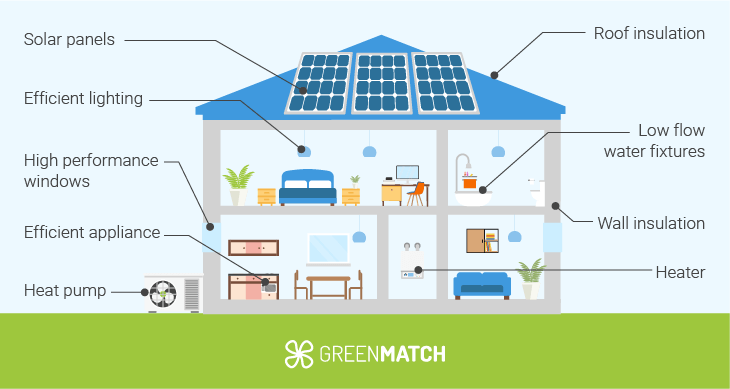
In 2025 the economics and engineering of domestic heating have shifted decisively: rising winter energy bills plus tighter emissions standards mean homeowners now evaluate systems on lifecycle emissions, payback timelines and grid interaction rather than upfront price alone. Across climates the most effective strategies combine rigorous fabric upgrades with distributed low‑carbon generation and high‑efficiency heat distribution, so that a modest investment in insulation and a correctly sized heat pump or hydronic network typically outperforms repeated fossil‑boiler replacements over a 15–25 year horizon. Case studies from pilot projects run by firms such as GreenPulse Energy and EcoHeat Solutions show that pairing photovoltaics with heat pumps, or coupling geothermal collectors with smart controls from vendors like SolarWave Technologies and EcoTherm Innovations, reduces household carbon intensity while stabilizing bills — an outcome amplified when systems are designed for seasonal storage and when installers follow best practices documented in recent installation guides.
En bref — Longevity: retrofit durable systems to reduce replacements. Efficiency: heat pumps and geothermal reach 300–400% COP in moderate sites. Integration: rooftop PV, smart controls and hydronics amplify savings. Payback: many systems recoup in 5–12 years depending on incentives. Air quality: combustion‑free options improve indoor health. These takeaways steer the selection process toward solutions that combine performance, resilience and future regulation readiness.
Building fabric first: why insulation is the highest‑value retrofit
Before selecting an active heating technology a homeowner should prioritise the building envelope: loft, cavity and airtightness upgrades cut required heating load by up to 30–50% in many stock types. Upgrading insulation changes system sizing, reduces cycling losses and improves the economics of higher‑efficiency equipment such as ground‑source heat pumps and solar thermal arrays.
Anna, a semi‑detached homeowner used as our running example, halved her projected heat demand after insulating her loft and cavity walls, which permitted a smaller heat pump and shorter payback. This step anchors every subsequent technology decision and reduces both capital and operational cost risk.
Heat pumps and hybrid systems: the core of clean home heating
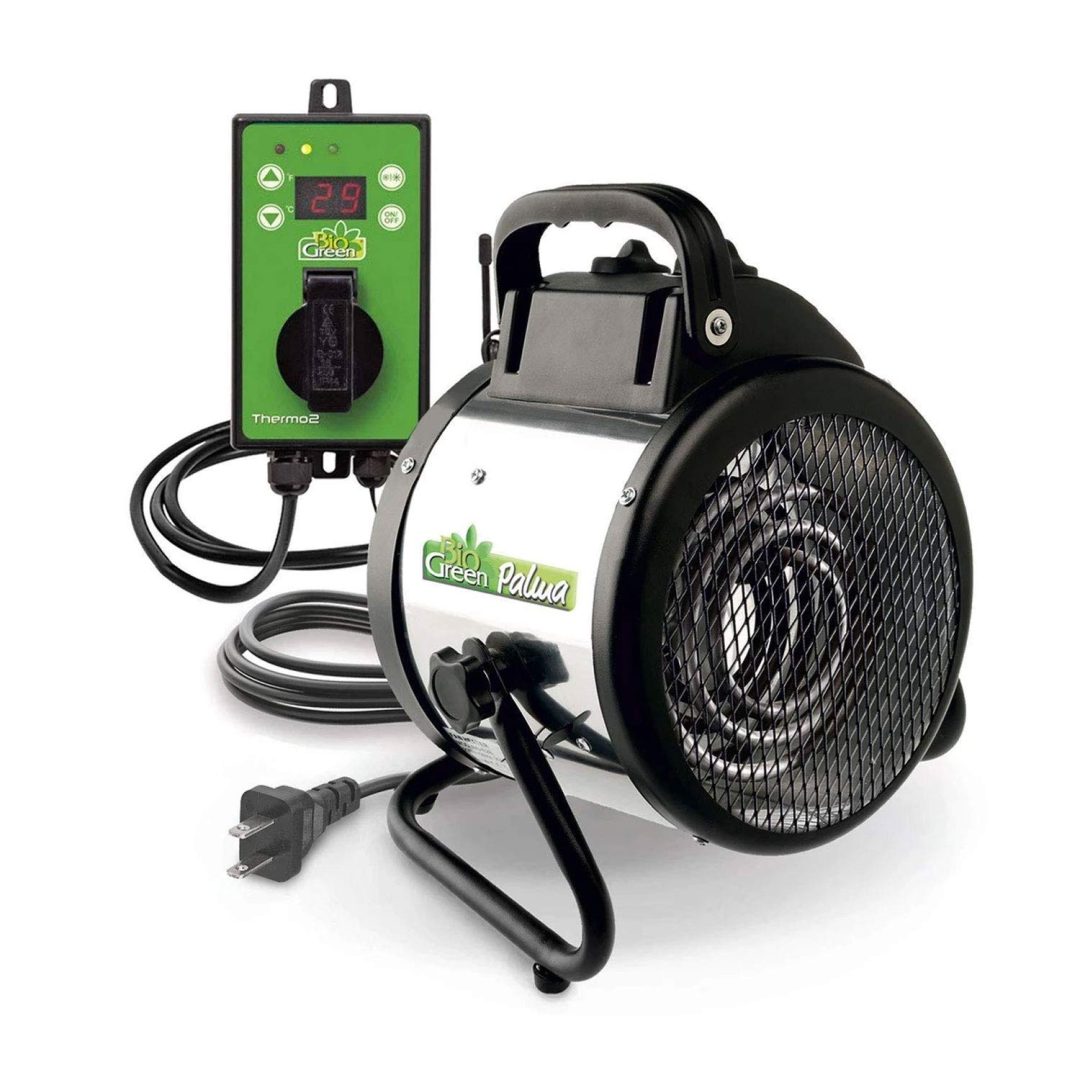
Air‑source, ground‑source and water‑source heat pumps move heat instead of burning fuel, delivering 3–4 units of heat per unit of electricity in many modern installations. Their dual heat/cool capability and compatibility with renewables make them a central element in low‑carbon household energy systems.
In practice, installers pair heat pumps with photovoltaic arrays from suppliers such as PureEnergy Tech or battery storage to maximise self‑consumption and shave peak grid demand. For homeowners who retain a fossil backup, a hybrid approach with a condensing boiler or a hydrogen‑ready NextGen EcoHeat module provides operational flexibility while decarbonisation pathways mature.
Key insight: sizing and control strategy determine real‑world efficiency more than nominal COP, so prioritize installer expertise and smart controls.
Solar active heating and PV integration
Solar thermal collectors (hydronic or air) and rooftop PV are complementary: thermal systems supply hot water and low‑temperature space heating, while PV runs heat pumps and controls. Active systems now include integration software that prioritises on‑site use and charging schedules, improving financial returns.
For practical guidance on combining solar with heat systems see the technical guidance on renewable integration strategies. Municipal pilot programmes in 2024–25 showed typical solar thermal can cover up to 70% of domestic hot water in favourable climates when paired with storage.
Key insight: pair collectors with buffer tanks and smart dispatch to avoid wasted solar gains.
Geothermal (ground‑source) systems: high efficiency, high initial cost
Geothermal heat exchange leverages stable subsurface temperatures to deliver consistent heat with minimal electricity input for circulation. Installation requires land or borehole access and precise hydraulic design but typically yields the longest lifetime and best steady‑state efficiency.
When considering installation, consult the step‑by‑step resources at installation and permitting guides and obtain a thermal response test to size the field correctly. Many households in mixed climates report payback within 6–10 years when grants and avoided fuel costs are included.
Key insight: geothermal is capital‑heavy but delivers predictable, combustion‑free heat for decades when properly sited.
Biomass, pellets and masonry heaters: modern combustion options
Pellet stoves and contemporary masonry heaters use densified biomass to produce efficient, low‑emission heat and can be effective in off‑gas areas. Pellets made from agricultural residues offer a lower‑carbon fuel if sourced sustainably and combusted in certified stoves.
Local case studies have shown community biomass systems slash heating bills for institutions; homeowners should check supply chains and emissions limits. Read analyses of lifecycle benefits and risks at carbon footprint assessments to choose responsibly.
Key insight: biomass is a pragmatic transition fuel only when combustion is clean and feedstock is certified sustainable.
Hydronic distribution and smart controls
Hydronic heating—underfloor or radiator networks—delivers steady comfort with lower supply temperatures, increasing heat pump efficiency. Systems using copper fin‑tube radiators or embedded floor circuits are quiet and reduce airborne allergen circulation compared with forced‑air setups.
Smart thermostatic control and weather‑compensated setpoints from vendors like GreenFlux Heating and EcoSpark Heating can cut fuel use by optimising flow temperatures and time‑of‑use charging. For controller strategies, consult the smart systems guidance at smart control best practices.
Key insight: low‑temperature hydronics married to precision controls maximises COP and occupant comfort.
Wind, micro‑turbines and seasonal storage
Small wind turbines can drive resistive or indirect water heating when siting yields reliable winds; combined with tanks they provide a straightforward renewable heat source in exposed rural properties. Micro‑turbine water‑heating prototypes have demonstrated viability where wind speeds support year‑round output.
Households seeking hybrid mixes consider wind plus thermal storage, and manufacturers such as VerdeHeat Technologies are prototyping compact solutions that feed directly into domestic hot water circuits. Guidance on integrating distributed generation and heat systems is available at green heating integration.
Key insight: wind heating is site‑sensitive—perform accurate wind resource assessment before committing.
Choosing a system: economics, emissions and installer quality
Select systems by modelling whole‑house energy flows: factor in insulation, local tariffs, incentives and the carbon intensity of grid electricity. Tools and case studies from independent guides show that modest increases in equipment quality and control sophistication often beat larger but poorly integrated upgrades.
Explore financing, incentives and lifecycle benefits via resources such as energy savings calculators and vendor case studies; working with accredited installers reduces performance risk. Companies like RenewHeat Systems and EcoHeat Solutions now publish monitored performance data to help homeowners compare real outcomes.
Key insight: prioritise systems matched to measured demand and reputable installers to convert theoretical savings into delivered performance.
Real‑world pilot: Anna’s retrofit
Anna combined loft insulation, a 6 kW air‑source heat pump, a 4 kW PV array and a 200 L buffer tank, installed by a certified team using specifications inspired by SolarWave Technologies. Her annual gas consumption fell to near zero and her household reported 40–60% lower bills in the first full year of operation.
This real example underlines the rule: start with fabric, then right‑size equipment and controls. The final insight is that iterative monitoring and minor adjustments in the first 12 months often determine long‑term satisfaction.
For practical buying and maintenance tips consult industry overviews at sustainable heating resources and vendor comparison pages such as system catalogues to evaluate suppliers including EcoTherm Innovations, GreenPulse Energy and NextGen EcoHeat against performance data. Choose transparency in performance and a documented commissioning process to secure the outcome you expect.