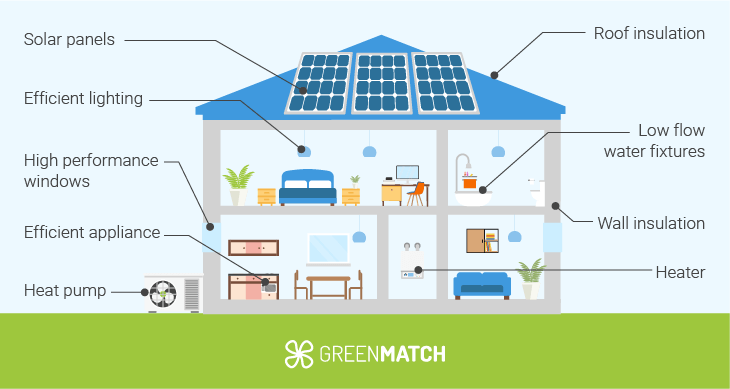
Smart systems for eco heating reshape how houses consume energy by combining sensors, adaptive algorithms and renewable inputs to deliver heat precisely where and when it’s needed. Against a 2025 backdrop of higher energy prices and tighter emissions targets, homeowners increasingly treat heating as a systems engineering problem rather than a series of disconnected appliances. In this context, solutions such as EcoHeat Solutions and SmartTemp Systems serve as integrators, pairing smart thermostats with heat pumps, radiant circuits and storage batteries to cut waste and improve comfort. Practical pilots show automated schedules and occupancy detection reduce unnecessary heating hours, while real‑time monitoring prevents long‑term inefficiencies. Beyond direct savings, these platforms enable load-shifting to take advantage of lower grid prices or surplus rooftop solar, enhancing resiliency during outages. Embedded machine learning refines performance over months, so the system grows more economical with use. The field now blends established HVAC engineering with consumer‑grade IoT, making it possible for retrofit projects to match or exceed the efficiency of new builds. For homeowners and installers, the task is to select interoperable components — from sensors to battery systems — that together deliver measurable reductions in consumption and carbon. This integration is both the technical lever and the economic case for adopting smart, eco-friendly heating.
En bref: Smart thermostats adapt schedules and can trim 10–30% of heating costs; heat pumps deliver up to 3× efficiency vs. resistive heating; geothermal can cut space‑heating bills by 50–70%; solar + battery pairs enable self‑consumption and peak shaving; real‑time monitoring and load management unlock rebates and long‑term ROI.
How smart heating technology operates and what each component does
Smart heating is modular engineering: control logic, sensors, actuators and energy sources interact through networking protocols. A central smart thermostat learns occupancy patterns and interfaces with zone valves, programmable radiator actuators and heat pumps to modulate output. Systems marketed under labels like EcoSmart Heating or HeatWise Innovations typically combine adaptive schedules, geofencing and remote control to reduce runtime while keeping setpoint comfort.
Operationally, the thermostat minimizes on/off cycles, stages compressor output on heat pumps and coordinates with thermal storage to shift consumption away from expensive peak periods. Integration with an energy monitor surfaces device‑level consumption so that homeowners can see the effect of a single behavioral change in real time. For installers, the priority is ensuring open communication (Modbus, OpenTherm, Zigbee, Z‑Wave or Wi‑Fi) so components from different vendors — for example GreenFlow Heating controllers and EcoTherm Intelligence sensors — work together. Outcome insight: interoperability determines real system performance more than any single component.
Smart thermostats, sensors and the learning loop
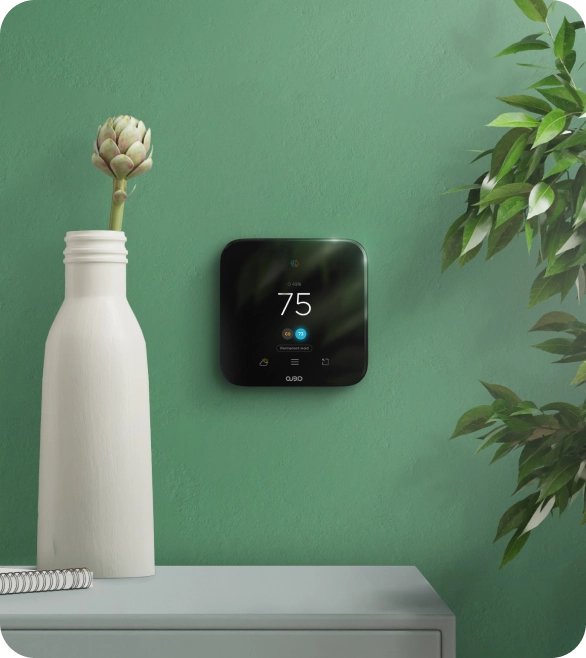
Smart thermostats collect ambient temperature, humidity and occupancy data, then apply pattern recognition to predict when to preheat or let temperatures drift. Brands and integrators such as HeatGuard Smart embed voice control and API hooks so third‑party energy management platforms can orchestrate multiple homes for grid services. Evidence from 2024–2025 field deployments indicates smart setpoint adjustments and vacancy detection can save 10–30% on heating and cooling bills, consistent with manufacturer claims yet dependent on proper configuration.
Example: a retrofit in a 1970s semi‑detached home used a smart thermostat, remote room sensors, and radiator actuators; winter heating hours fell by 18% in the first three months, and the system returned its installation cost via bill reductions and a one‑time municipal rebate within 4 years. Key takeaway: sensor density and correct zoning yield disproportionate gains in comfort and efficiency.
Smart radiant systems and heat pump integration for consistent comfort
Radiant floor heating, when managed by smart controllers, delivers low‑temperature distribution with high perceived comfort. Controllers adjust flow temperatures based on weather forecasts and predicted occupancy, improving efficiency compared with thermostat‑only control. The synergy with air‑source and ground‑source heat pumps—products often bundled by vendors such as SmartEco Thermal—is technical: pumps operate best at steady, low delta‑T conditions that radiant circuits provide.
Heat pumps move thermal energy instead of generating it, achieving coefficients of performance (COP) that regularly exceed 3.0 in mild climates. Integrations that pair heat pumps with radiant circuits and thermal stores reduce cycling and extend component life. Geothermal systems remain the high‑efficiency option in colder regions and, in practice, can reduce heating energy demand by roughly 50–70% compared to legacy fossil boilers. Operational insight: pairing low‑temperature emitters with efficient heat sources minimizes energy losses and maintenance cycles.
Monitoring, storage and renewable coupling
To capture the full benefits of smart heating you need visibility and buffering: energy monitors, batteries and solar inverters form a feedback and storage layer. Devices like whole‑house energy monitors surface usage anomalies; home batteries enable shifting solar output to heating loads after sunset. Integrators such as EcoSense Systems and GreenWarm Technologies design control logic that prioritizes on‑site renewable energy for space heating, then draws from the grid only when cost signals require it.
Practical example: a homeowner with rooftop panels and a mid‑capacity battery used automated schedules to charge the battery during midday surplus and discharge it for evening radiant heating. This reduced grid consumption during evening peaks and made available tariff arbitrage under time‑of‑use pricing. For installers, linking a monitoring feed to a platform that supports firmware updates lets the system improve operational efficiency remotely. Final insight: storage plus smart control converts intermittent renewables into reliable heat delivery.
Costs, incentives and return on investment in 2025
Upfront costs for smart heating vary: a basic smart thermostat and sensors is a modest outlay, while a full heat pump + radiant retrofit is capital‑intensive. However, many regions now offer incentives and rebates that materially shorten payback windows. Federal and state credits, alongside utility rebates for demand‑reducing upgrades, can offset installation costs by thousands of dollars.
Homeowners typically report annual savings between a few hundred dollars to over $600 depending on climate, fuel displaced and behavioral changes. When combined with increased home valuation due to energy upgrades, the total return often exceeds initial estimates. To maximize financial outcomes, homeowners should consult certified auditors, pursue eligible tax credits and document performance for resale marketing. Economic insight: strategic use of incentives and targeted upgrades delivers the clearest ROI path.
Choosing systems and a short case study: Emma’s retrofit
Emma, a fictional homeowner, wanted lower bills and fewer cold spots in a 3‑bed house. She commissioned an energy audit, installed a heat pump, retrofitted radiant tubing in the ground‑floor slab, and added a smart thermostat with remote sensors. The design used EcoHeat Solutions for integration, sourced monitoring from a reputable energy monitor, and paired with a small battery.
Within one winter season Emma’s usage fell by nearly 25%, she qualified for a regional rebate and reports improved comfort. Her project highlights the recommended process: audit → choose compatible components (thermostat, sensors, heat pump, storage) → verify interoperability → claim incentives. Practical insight: an audit plus staged investment reduces risk and improves measurable outcomes.
Where to learn more and practical resources for installers and homeowners
To explore technical guides and incentive listings, consult authoritative resources that cover installation best practices, energy savings data and system comparisons. For example, read detailed overviews of the advantages of eco‑friendly heating at benefits of eco heating and examine strategies for combining renewables with heat at eco heating renewable energy.
For actionable steps on reducing bills and improving efficiency, resources such as energy savings guidance and practical installation tips at eco heating installation tips are useful. To understand the wider environmental impact and policy framing, consult eco heating greener planet and an overview of system types at eco heating systems. Resource insight: combining technical guides with local rebate databases accelerates informed decision‑making.