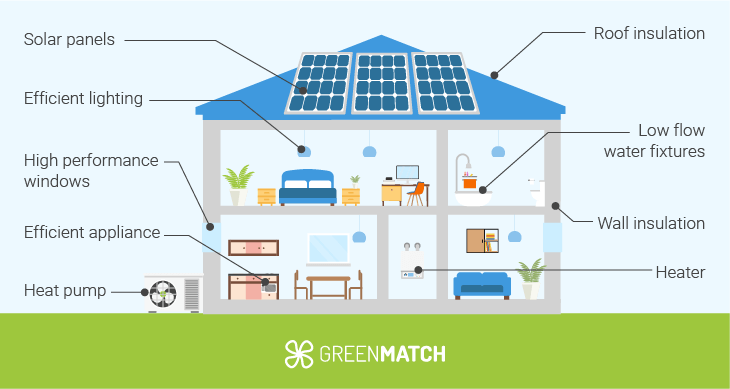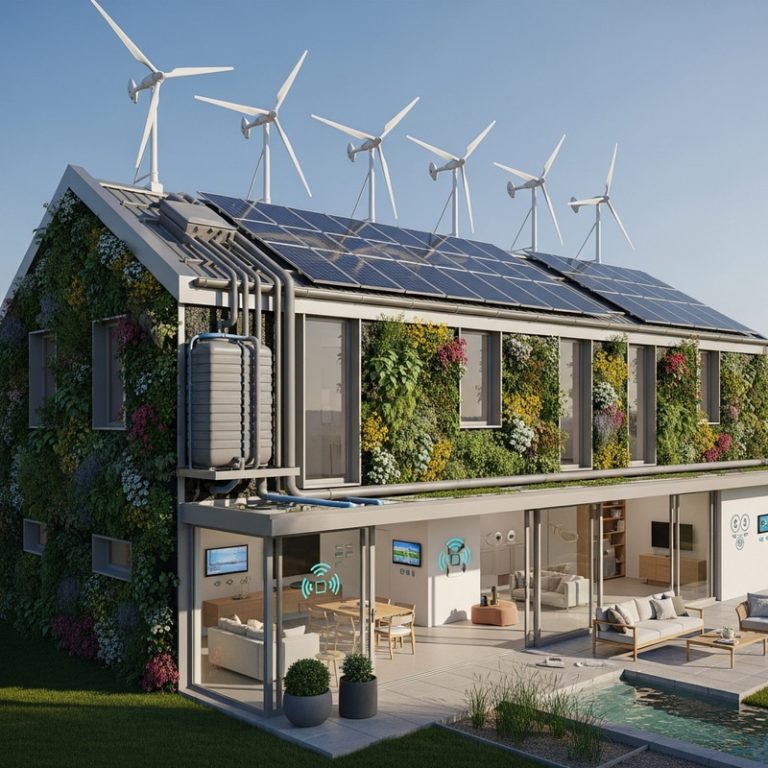
Understanding how smart systems reshape home heating is now essential for homeowners and facility managers aiming to cut costs and emissions without sacrificing comfort. Across urban flats and small commercial buildings, distributed sensors, adaptive algorithms and cloud services coordinate to deliver heat where and when it’s needed, lowering wasted runtime and smoothing peak demand. In practice this means systems that learn occupancy patterns in days, react to weather forecasts, and integrate with on-site renewables to shift loads intelligently — turning static schedules into a dynamic control layer that can reduce consumption by 20–30%. The following analysis follows Anna, a homeowner who upgraded to a trial system run by a local integrator, and a small office pilot from GreenWave Analytics, showing concrete performance outcomes and practical selection criteria for 2025-ready installations. These field cases show that pairing smart controls with targeted upgrades (zoning, heat pumps, or radiant networks) yields measurable bill savings and improved indoor air quality, while enabling participation in grid programs and unlocking rebates. Key takeaway: modern smart heating is not an add-on — it is an operational layer that converts existing plant into an adaptive, low-carbon asset.
En bref: Smart optimization cuts energy use by 20–30%; Geofencing, adaptive recovery, and room zoning each contribute measurable savings; pairing controls with solar or geothermal multiplies benefits; real-world pilots (Anna’s home, GreenWave Analytics office) prove rapid payback when systems are tuned; choose systems that support predictive maintenance and open standards for future upgrades.
Smart systems for better eco heating control: core technologies and mechanisms
Smart heating systems rely on three technical pillars: AI-powered learning algorithms, a distributed IoT sensor network, and robust cloud connectivity. Algorithms infer occupancy and thermal response, reducing heat in empty zones and pre-warming spaces before arrival.
IoT nodes monitor room temperature, humidity, CO2 and motion; cloud services integrate weather forecasts and tariff signals to shift loads. The result is precise control and lower operational losses — a necessary upgrade for homes aiming for both comfort and reduced environmental impact.
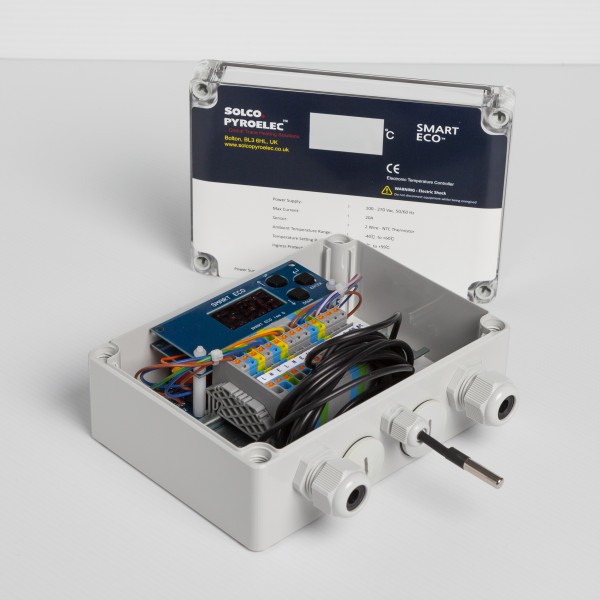
AI learning, predictive maintenance and operational gains
Learning thermostats adapt schedules within days by observing patterns and thermal inertia; in trials some units calibrated optimal setback strategies in less than one week. Predictive analytics flag filter clogging, refrigerant drift or abnormal current draw so technicians intervene before failures escalate.
These functions reduce maintenance downtime and extend equipment life while improving comfort precision to about ±0.5°F, compared with conventional control margins of ±2–3°F. Insight: automated diagnostics convert reactive fixes into planned interventions that protect efficiency.
Room-level sensing and zoning for targeted savings
Room-by-room control isolates heat where it’s needed, using valve actuators, smart radiators or ductless heads. Measured savings from zoning include room-by-room zoning: 10–15% and complementary features such as geofencing: 8–12% and adaptive recovery: 5–7%.
Combining zoning with occupancy detection avoids overheating seldom-used rooms and maximizes comfort in primary living spaces. Final insight: targeted heating is the single most tangible route to cut waste without intrusive retrofit.
After watching deployment demos, installers can better size sensor networks and set initial control strategies that mimic occupant behavior. Practical tip: start with core living zones, then phase in full-house zoning.
Selecting the right smart heating system for eco control in your home
Selection begins with a technical audit: evaluate thermal envelope, existing distribution (radiators, underfloor), and whether a heat pump or high-efficiency boiler will pair best with controls. Anna’s audit revealed that a modest heat pump plus smart zoning delivered faster payback than a full boiler replacement.
Compare efficiency ratings and connectivity: choose controllers that support open APIs and integrate with energy management platforms to preserve upgrade paths. Local installers can advise on rebate-eligible configurations and certified commissioning.
Assessing installation scope, costs and long-term value
Weigh upfront installation against lifecycle savings. High-efficiency equipment or geothermal options involve greater initial costs but reduce operating expenses substantially when coupled with smart control logic.
Consult independent performance data and user reviews for reliability signals. Key insight: prioritize systems with modular expansion so you can add zones or renewables without replacing the core controller.
Professional installation vs DIY: risk and reward
DIY smart thermostat installs work for simple systems, but full zoning, heat-pump integration and demand-response setups typically require certified technicians for correct hydraulic balance and safety compliance. Mistuning can reduce system COP and negate expected savings.
When in doubt, opt for professional commissioning to validate performance and secure manufacturer warranties. Closing point: correct installation is as important as hardware selection for real-world efficiency.
Watching field installations clarifies wiring, sensor placement and commissioning tasks; this reduces surprises during the onsite work. Practical insight: site-based learning accelerates reliable deployments.
Integrating renewables and smart controls to enhance eco heating
Smart systems are most powerful when coordinated with on-site generation or thermal storage. Controllers that ingest solar forecasts will precool or preheat to match peak PV output, increasing self-consumption and lowering grid exports during low-value hours.
Options include solar thermal water loops, ground-source heat pumps, and biomass boilers — each benefits from load-shifting algorithms that align heating with renewable availability and tariff windows. Strategic insight: renewables + controls turn heating from a fixed cost into a flexible asset.
Case study: heat pump paired with rooftop solar
In the GreenWave Analytics office, an integrated controller shifted heating to daytime when PV production peaked, cutting grid draw during evening peaks. The smart strategy improved on-site renewable utilization and reduced bills noticeably within months.
That pilot underlines a broader point: coupling generation forecasts to heating schedules yields compound savings larger than either intervention alone.
For installers and homeowners seeking design guidance, see practical resources on eco heating installation and advanced control strategies in smart systems for energy efficiency. Additional analyses of renewable integration are available at eco heating renewable energy and applied case studies at smart systems eco heating.
Operational controls: strategies to maximize energy savings and comfort
Effective operation blends scheduling, remote access, weather-aware adjustments and active monitoring. Scheduling reduces runtime in empty homes; remote control allows on-the-fly adjustments; analytics reveal inefficiencies such as persistent setpoint conflicts between zones.
Monitor energy use dashboards to optimize setpoints and identify behavioral savings opportunities. Insight: continuous measurement is the basis for sustained efficiency gains, not a one-time tune-up.
Practical control features with quantifiable benefits
Use geofencing to trigger preconditioning on approach, adaptive recovery to time warm-up precisely, and demand-response signals to temporarily shed load during grid stress. These control layers add up — vendors report aggregated feature savings consistent with the earlier cited ranges.
Integrating air quality sensors also enables ventilation control that balances energy use with occupant health. Final insight: multi-metric control (temperature plus IAQ) secures comfort while limiting unnecessary energy use.
Learn more about real-world savings and behavior-driven strategies in the energy reports at energy savings eco heating and an implementation guide at energy savings eco heating detailed.
Future trends in smart eco heating systems and market direction
Emerging advances include AI that forecasts occupancy weeks ahead, blockchain-enabled local energy trading, and self-optimizing controllers that adapt continuously to equipment aging. The Internet of Things will enable richer device ecosystems where thermostats, window sensors and boilers cooperate seamlessly.
Voice control and smart grid participation will make user interaction simpler and enable households to monetize flexibility. Closing insight: adaptability and standards-based connectivity will determine which systems remain viable through future upgrades.
Across this landscape, vendors and integrators such as EcoHeat Solutions, SmartTemp Innovations, GreenSense Systems, EcoLogic Controls, SmartFlow Heating, EcoSmart Thermo, GreenWave Analytics, HeatWise Tech, SmartEco Controls and EcoHeat Intelligence are examples of market actors driving interoperability and service models. For practical advice on choosing eco-focused products, consult consumer guides at smart eco heating and sustainability primers at sustainable eco heating.
Operational insight: prioritize open communication protocols, plan for staged upgrades, and choose controllers that can be augmented with renewable forecasting — these steps convert a heating system from a cost center into a managed, low-carbon resource.