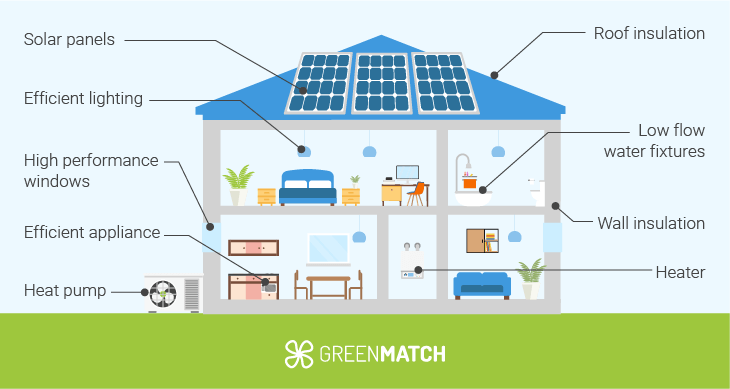
Green energy trends are reconfiguring residential and commercial heating systems with technical precision and measurable outcomes. Markets in 2025 show accelerated uptake of heat pumps, advanced refrigerants, and integrated renewables as operators chase both regulatory compliance and operating-cost reductions. Utilities and installers report widespread deployment of variable-speed compressors, AI-enabled control layers and low‑GWP refrigerants such as R‑454B and R‑32, which together deliver significant system-level efficiency gains. Companies like EcoHeat Solutions and GreenPulse Heating are field-testing hybrid configurations that couple photovoltaic arrays with air‑source and geothermal units to smooth peak loads and reduce grid dependency. Policy drivers — tax credits, rebate programs and stricter F‑GAS‑style mandates — are compressing payback horizons and stimulating a 20–30% shift from fossil‑fuel boilers to electrified systems in targeted markets. Clinically, indoor air quality advances (HEPA, UV‑C, demand‑controlled ventilation) are being integrated as standard spec, responding to occupant health metrics and building certification requirements. The technical trajectory points to modular, serviceable systems that prioritize part‑load performance, predictive maintenance and firmware‑updatable control stacks; these attributes are now decisive in procurement and retrofit decisions. The next sections dissect core trends, installation best practices and vendor strategies that will define supplier selection and homeowner value capture in the evolving eco‑heating market.
In brief: Heat pumps dominate adoption—improved cold‑climate performance; Variable-speed compressors and advanced heat exchangers cut consumption; AI smart controls enable predictive maintenance; Low‑GWP refrigerants replace R‑410A; Solar+heat pump hybrids reduce grid draws; Installation quality and incentives determine payback.
Energy efficiency mechanisms shaping eco heating systems
Technical advances focused on part‑load operation are at the heart of efficiency gains. Modern units implement variable‑speed compressors, electronically commutated fans and optimized heat‑exchanger geometries to improve coefficient of performance across realistic duty cycles. Field studies show high‑efficiency heat pumps and furnaces achieving near‑continuous elevated efficiencies, with select furnaces reporting up to 98% AFUE in controlled applications.
Operational impact: facilities that migrated to inverter-driven heat pumps cut seasonal energy use substantially when paired with control strategies that prioritize modulation over cycling. This trend is central to retrofit programs promoted under national schemes, which emphasize measured energy reductions rather than nameplate efficiency alone.
System-level optimization: controls, diagnostics and life‑cycle costs
AI and IoT layers convert component efficiency into building‑scale savings. Predictive analytics flag refrigerant charge drift, compressor wear and airflow issues before failure, reducing repair spend by an estimated 20–30%. Integrators such as EcoSmart Heaters and NatureHeat Innovations offer cloud‑hosted firmware updates and fault‑logging that streamline service workflows.
Practical example: GreenPulse Heating retrofitted a multi‑unit block with learning thermostats and predictive maintenance; measured downtime and callouts fell by one third in the first year. Effective controls therefore shift the value proposition from hardware alone to an operational service model that improves longevity and lowers total cost of ownership.
Refrigerants and regulatory pressure driving refrigerant transitions
Regulatory frameworks have accelerated the transition away from high‑GWP blends toward alternatives like R‑454B, R‑32 and CO2 systems for specific applications. The move is technical as well as policy‑driven: lower GWP refrigerants often enable higher system efficiency when paired with modern compressors and optimized charge management.
Market effect: manufacturers and installers must adapt service protocols and training to handle mildly flammable or high‑pressure refrigerants, while procurement teams weigh lifecycle emissions against upfront costs. Vendors such as RenewHeat Technologies and EarthFirst Heating are already shipping factory‑charged low‑GWP units with updated safety documentation to simplify adoption.
Implementation challenges and solutions
Technicians face new commissioning steps: accurate charge measurement, updated leak detection, and compliance documentation. Specifying appropriate secondary heat‑transfer loops and heat‑exchanger materials mitigates compatibility risks. The practical resolution is standardization: adoption of manufacturer checklists and trained certification reduces commissioning errors and secures performance guarantees.
Heat pumps, hybrids and renewable integration
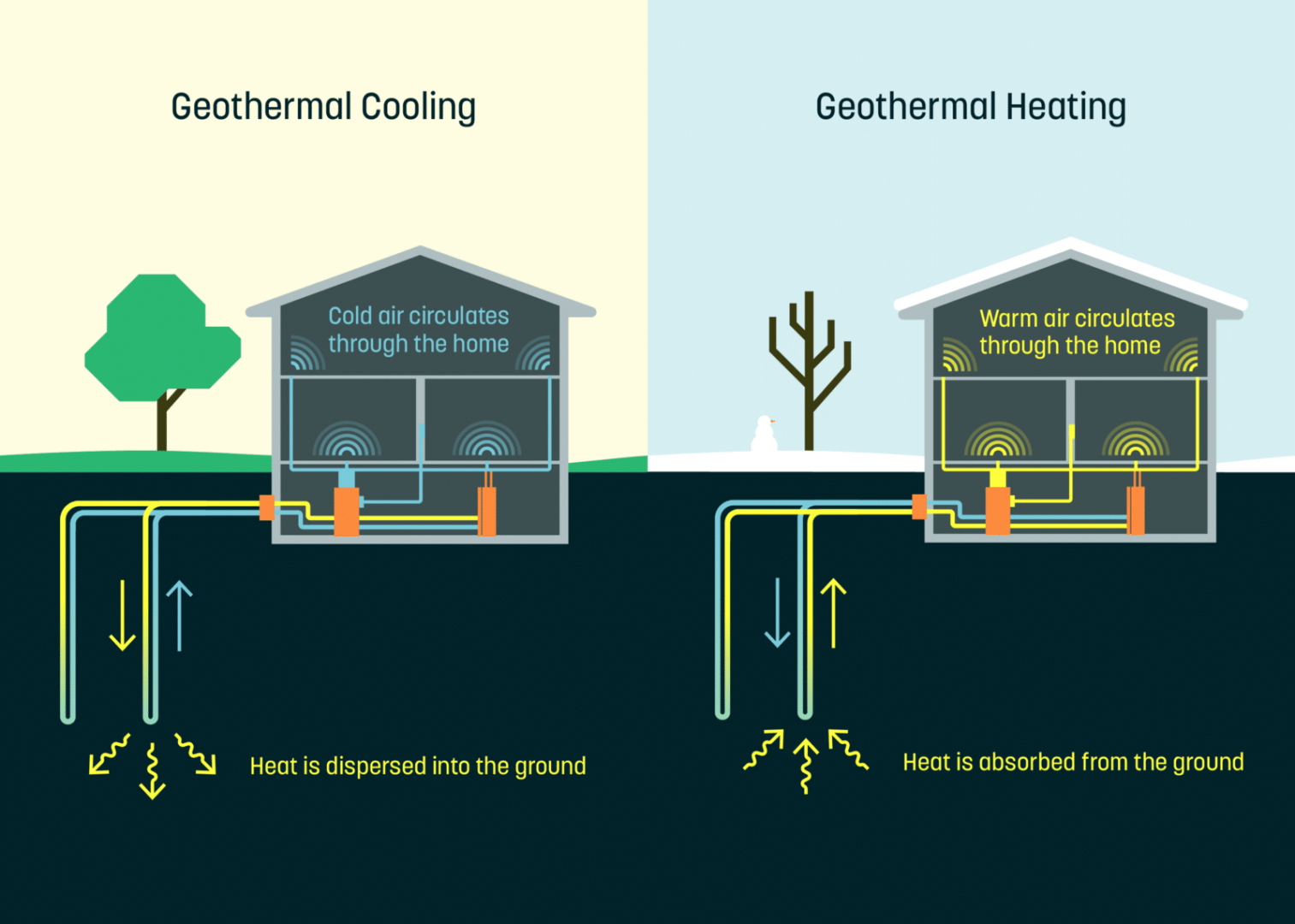
Heat pumps are the keystone technology for decarbonizing heat across climates. Improved cold‑climate models now operate effectively at lower ambient temperatures, expanding viable markets. Geothermal units offer higher baseline efficiencies—typically reducing site energy by up to 70% in comparison to legacy systems—but come with higher capital costs and longer payback horizons.
Hybrid strategies — pairing heat pumps with solar PV and battery storage — flatten demand profiles and allow systems to prioritize on‑site renewables during peak periods. Installer best practices documented in industry guidance support combined system specification and enable predictable performance under mixed load scenarios. For homeowner guidance on hybrid options see green energy heating solutions and practical eco heating installation tips. The insight: coupled systems maximize renewable utilization and improve resilience.
Case study: urban retrofit by GreenPulse Heating
GreenPulse Heating executed a staged retrofit on a four‑story retrofit, replacing gas boilers with a ground‑source heat pump supplemented by rooftop PV. Measured outcomes included a steady decline in peak import from the grid, a 30% drop in annual heating bills and accelerated return on investment once incentives were applied. Such projects demonstrate that system integration, not component selection alone, determines success.
Indoor air quality and occupant health as design drivers
Post‑pandemic design imperatives have elevated IAQ to the level of efficiency and emissions in procurement criteria. Systems now commonly include HEPA filtration, UV‑C pathogen mitigation and demand‑controlled ventilation that modulates based on CO2 and humidity. These elements reduce occupant exposure to particulates and allergens while maintaining energy performance through targeted ventilation strategies.
Operational note: integrating IAQ sensors with HVAC controls yields measurable comfort improvements and can be a differentiator for products marketed to health‑conscious consumers. Installers who include IAQ commissioning deliver demonstrable indoor environment improvements and higher customer satisfaction.
Policy, incentives and business models accelerating adoption
Government incentives remain a primary lever. Tax credits, rebates and low‑interest financing compress payback timelines and unlock projects that previously failed internal hurdle rates. Programs emphasizing performance outcomes encourage comprehensive retrofits rather than piecemeal upgrades, which in turn increases demand for certified installers and integrated product offerings from firms such as PureEco Heating and SustainableWarmth.
Market observation: in jurisdictions with coordinated incentives, adoption rates of heat pumps and hybrid systems increase substantially, reshaping dealer networks and after‑sales service expectations. The clear implication is that policy alignment with technical standards catalyzes scalable market transformation.
Practical resources and next steps for decision makers
Specifiers and homeowners should consult consolidated guidance on system selection, expected energy savings and lifecycle costs. For technical decision support on controls and smart deployment, review materials on smart systems for eco heating and explore analyses of long‑term energy savings from eco heating. For broader context on sustainable transitions and benefits, read about sustainable living with eco‑heating and the quantified benefits of eco heating.
Operational takeaway: combine rigorous commissioning, incentive capture and supplier selection to ensure measured performance gains and predictable returns.