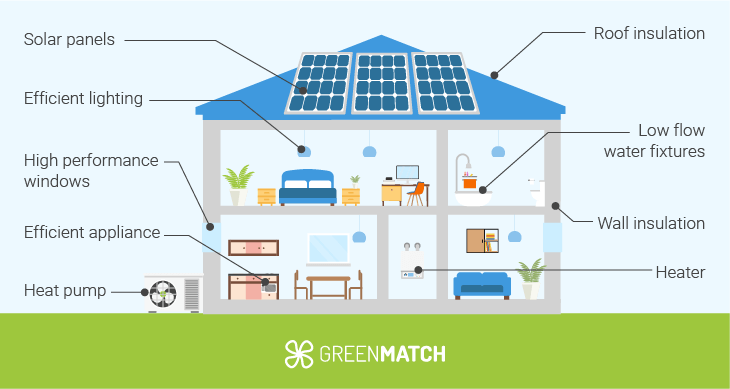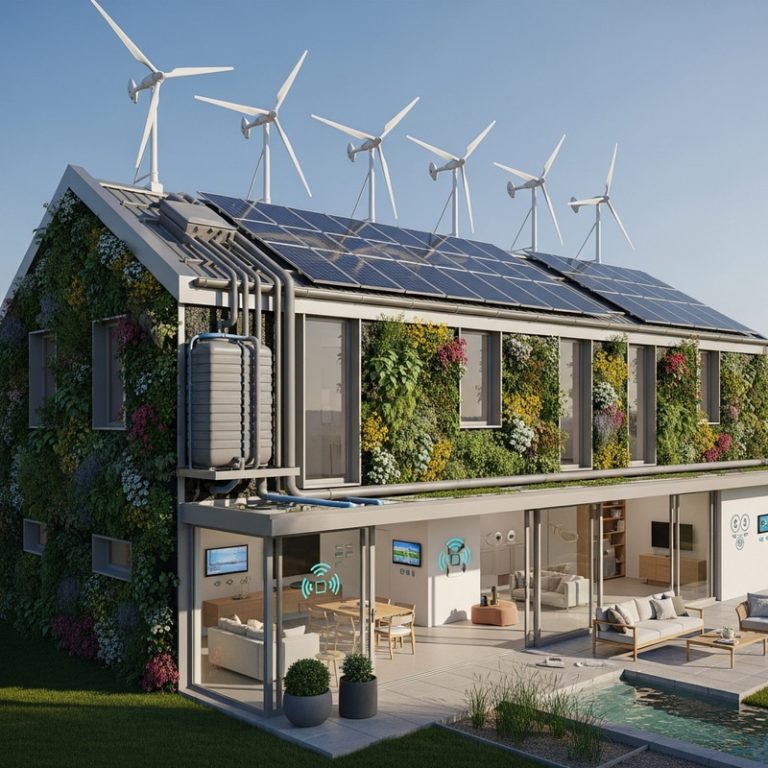
Smart systems for eco heating are reshaping how households manage warmth, comfort and energy budgets. From intuitive room-level controls to grid-aware scheduling, homeowners now expect systems that balance convenience with measurable savings. This article examines the user perspective on adoption, everyday operation and lifecycle trade-offs, drawing on recent field studies and technical reports that highlight the roles of behavior, interface design and integration with renewables. Readers will find practical insights on product families such as EcoHeat, SmartTherm and HeatSmart, plus how communication hubs like ThermoLink and algorithms branded as GreenPulse or EcoFlux affect performance. The analysis connects device-level features to household routines, and explains why a successful installation is as much about user training as it is about sensors and machine learning. Expect clear guidance for selecting systems, a technician’s checklist for effective installation, and real-world examples of savings when smart controls link to rooftop solar or district heating. The narrative follows a homeowner, Maya, as she tests a mixed-vendor setup and negotiates trade-offs between automated comfort and manual control to achieve both comfort and lower bills. Strong evidence indicates that when systems deliver transparent feedback and simple overrides, adoption and energy savings increase significantly.
In brief: EcoHeat-driven smart thermostats cut idle heating and support renewable dispatch; SmartTherm and HeatSmart make zoning practical for multi-occupant homes; linking controls through ThermoLink improves appliance coordination with solar export; lifecycle assessments require user behavior in the model to avoid overstating benefits; clear installation and simple interfaces drive sustained savings.
Why users choose smart systems for eco heating: convenience, savings, and sustainability
Homeowners weigh three forces when upgrading: perceived comfort gain, expected energy savings, and environmental impact. Early adopters like Maya switched to a mixed system combining SmartTherm sensors with a central ThermoLink hub to prioritize occupied rooms and limit heating in unused spaces.
Manufacturers advertise automated schedules and adaptive learning, but the decisive factor is how the interface communicates outcomes. Systems that show instantaneous savings or CO2 reductions increase trust and continued use. This user-driven dynamic explains why guides recommending a smart systems primer and smart controls and scheduling see high engagement from new buyers. Key insight: transparency in feedback is as critical as control logic for real-world adoption.
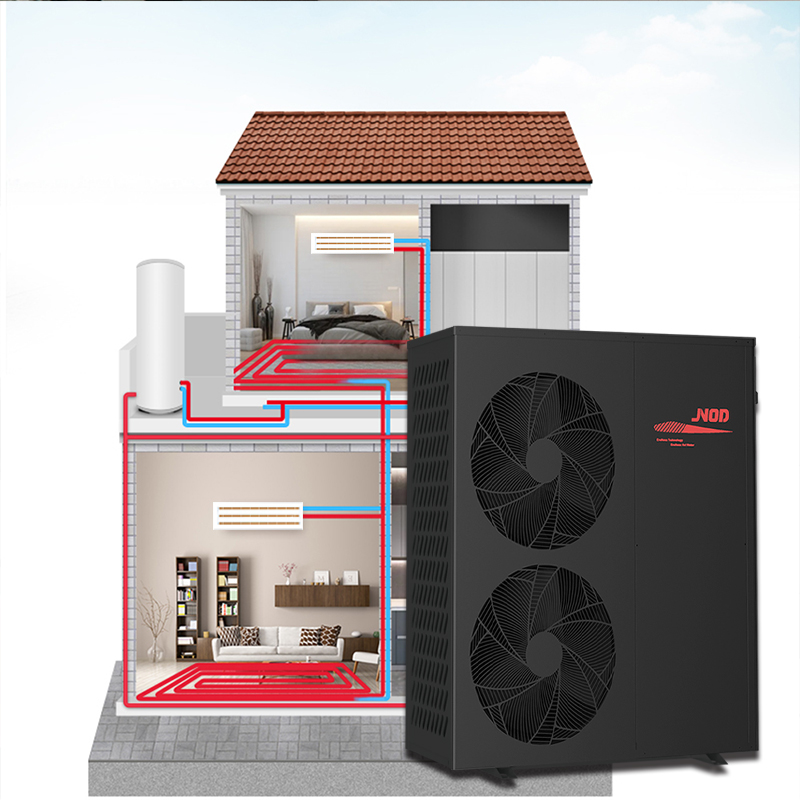
Everyday interaction: how EcoSense, HeatWise and GreenTemp shape routines
Users interact daily with a handful of controls. In Maya’s experience, pairing a wall-mounted EcoSense interface with a mobile HeatWise app created predictable routines: morning preheat, daytime setback, and evening zoning. The result was fewer override actions and more automated consistency.
Design matters: short onboarding, clear labels for modes, and one-tap away-from-home settings reduced confusion. When systems include room-level sensors branded GreenTemp or integrate with low-cost occupancy detectors, users report improved comfort without micro-managing schedules. Key insight: low-friction controls preserve user trust and sustain energy savings.
Technical performance and integration with renewables
Smart heating systems deliver savings by reducing unnecessary heating and by aligning loads with renewable generation. Products using predictive models — marketed under names like GreenPulse and EcoFlux — shift consumption to periods of lower carbon intensity or higher solar output.
Field deployments show that when systems are linked to household PV or district heat, seasonal savings can range widely depending on insulation and behavior. For installers and consumers, authoritative resources on green energy integration and renewable energy pairing are practical starting points. Key insight: integration with renewables maximizes environmental benefit but requires correct configuration and monitoring.
Case study: a mixed-vendor setup tuned for peak shaving
Maya configured her SmartHeat controller to reduce setpoints during grid peaks and to preheat when rooftop output exceeded household demand. Over the first winter season, the system reduced peak heat draw and enabled modest export credits to the grid.
Operational success depended on accurate temperature sensing, simple fallback modes, and an installer who followed evidence-based steps. The installer used material from installation tips and the homeowner referenced energy savings case studies to verify outcomes. Key insight: coordinated installation and user education are necessary to capture theoretical savings in practice.
Installation, controls and the path to reliable savings
Technically, the components are straightforward: thermostats, actuators, a hub, and cloud-based orchestration. What differs is the installation quality and the control philosophy. Simple, prioritized control — exemplified by ThermoLink acting as a single source of truth — reduces conflicting schedules and device thrashing.
Practical guidance from guides on system selection and installation best practices helps technicians avoid common mistakes like poorly placed sensors or unnecessary hysteresis. Key insight: a methodical installation and clear default policies secure predictable, repeatable savings.
Controls, privacy and lifecycle considerations
Life cycle assessments reveal that the environmental value of smart heating depends on usage patterns. Studies indicate that adding smart hardware can be advantageous only if it reduces energy consumption persistently. If users increase comfort significantly without offsetting savings, net benefits shrink.
Privacy and data governance also influence adoption. Users favor systems that process data locally or provide clear export options. For policymakers and researchers, synthesizing LCA with user behavior remains a priority; resources like carbon footprint analyses and energy savings methodologies are central references. Key insight: measurable environmental gains require user-centered design and transparent data practices.