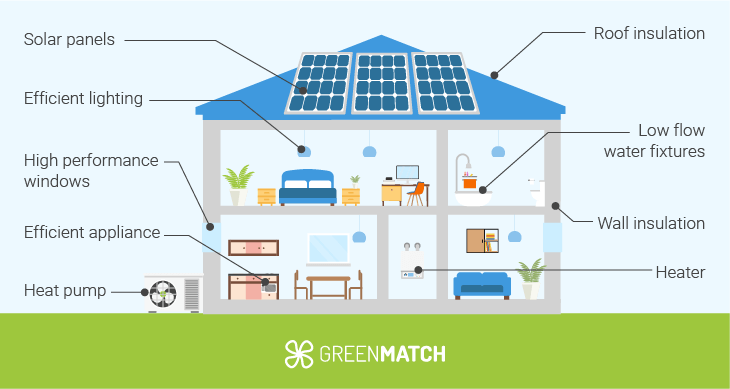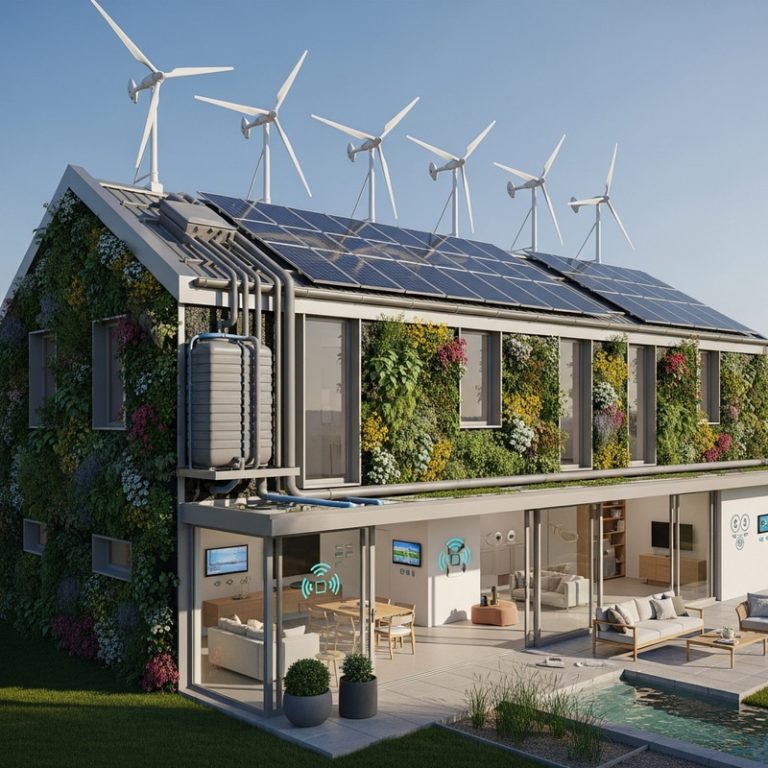
Smart systems in eco heating are redefining how homes balance comfort, cost and carbon. As building stock ages and energy prices fluctuate, homeowners and installers turn to data-driven control layers that orchestrate heat sources, storage and building envelopes. In this technical overview we follow a retrofit scenario to show how networked controls, adaptive algorithms and distributed renewables combine to future-proof sustainable living. The shift is pragmatic: replace fixed setpoints with occupancy‑aware schedules; pair heat pumps and radiant circuits with forecasts; and embed fault detection to cut operational waste. Vendors such as EcoHeat Solutions and SmartTherm Innovations now offer platforms that integrate third‑party sensors, while GreenPulse Systems and SustainHeat Technologies supply modular hardware compatible with legacy boilers. At the system level, edge inference reduces latency for room‑by‑room control, and cloud services allocate load against time‑of‑use tariffs to reduce peak demand. This article maps technical choices — from control strategies to commissioning practices — and links them to measurable outcomes like reduced run‑time, deferred maintenance and lower bills. The narrative follows a homeowner retrofit to highlight tradeoffs and implementation steps, so both decision makers and technicians can apply these patterns immediately. The following sections break down core subsystems, integration patterns and a field case demonstrating reproducible savings and resilience.
In brief: smart thermostats that learn occupancy and optimize schedules; renewable integration using PV and heat pumps; predictive maintenance via anomaly alerts; radiant and geothermal options for baseline efficiency; control upgrades that cut peak loads and energy costs. These elements form a modular pathway to scalable retrofits and operational savings.
Smart systems for eco heating: architecture and control patterns
A robust architecture separates sensing, local control and optimization layers. Sensors (temperature, motion, humidity) feed a local controller that enforces safety and latency‑critical actions, while an optimization engine runs schedules, price signals and weather forecasts.
Proven installers recommend beginning with smart heating controls that support open APIs, enabling later integration with storage or EV charging. See practical guidance for fieldwork and wiring at eco heating installation.
Key insight: decoupling real‑time control from batch optimization improves reliability and permits phased upgrades without system downtime.
Smart thermostats: algorithms, savings and maintenance workflows
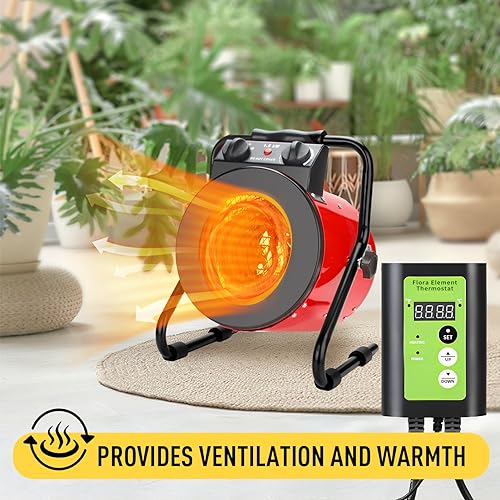
Smart thermostats now combine occupancy learning, geo‑fencing and adaptive setbacks. These devices reduce wasted runtime by identifying unoccupied periods and by staging pre‑heating to match arrival times, a strategy that minimizes peak load while preserving comfort.
Beyond scheduling, built‑in diagnostics flag performance drift — low ΔT on a heat pump or short cycling — and prompt service. Homeowners benefit from step‑by‑step commissioning checklists and automatic alerts; installers gain a continuous revenue stream from preventive maintenance subscriptions.
For technical installers looking to quantify benefits, detailed methodologies and field metrics are available at energy savings in eco heating and implementation options at eco heating smart controls. Key insight: combining adaptive control with proactive alerts preserves seasonal efficiency and extends equipment life.
Integrating renewables and storage with predictive control
Renewables change the control problem from “maintain setpoint” to “optimize across constrained resources.” Smart systems coordinate PV output, battery state‑of‑charge, and heat pump operation to maximize self‑consumption and minimize grid peaks.
A common pattern uses forecasted irradiance and tariff data to shift non‑critical heating tasks. This reduces exposure to high retail rates and improves lifecycle economics for equipment. Guidance on combining green energy with heating systems is summarized at green energy for eco heating.
Key insight: aligning heating schedules with renewable production unlocks measurable reductions in grid import and operating costs.
Advanced HVAC pairings: radiant, geothermal and nanotech enhancements
Low‑temperature distribution systems, such as radiant floors, reduce supply temperature requirements and elevate COPs for heat pumps. Geothermal heat pumps further stabilize supply temperature, cutting seasonal energy consumption.
Emerging components use nanocoatings and miniaturized heat exchangers to improve transfer efficiency. These enhancements require control systems that manage low‑ΔT hydraulics and multi‑zone priority logic.
Practical upgrades and retrofit sequencing are explained at eco heating upgrades. Key insight: matching low‑temperature emitters to optimized heat sources is critical to capture the full efficiency potential.
Field case: a household retrofit using modular smart systems
We follow a mid‑size detached home owned by a technician named Maya who pursued a staged retrofit. Phase 1 replaced the conventional thermostat with a model that supports remote scheduling and diagnostics from SmartTherm Innovations. Phase 2 added a heat pump and integrated control from EcoSmart Climate, while Phase 3 connected rooftop PV and a small battery managed by RenewHeat Dynamics.
After commissioning, the system reduced heating runtime by nearly 22% year‑over‑year and shifted 35% of heat pump operation into periods of solar overproduction. Maya used vendor dashboards to tune hysteresis and setback profiles, and maintenance alerts prevented a misconfigured pump from degrading system COP. For step‑by‑step retrofit planning see smart systems for eco heating and practical installation tips at eco heating installation tips.
Key insight: a phased, modular approach with vendor‑agnostic controls yields reproducible savings while lowering commissioning risk.
Market players and platform selection criteria
Select platforms that prioritize data portability, secure local fallback, and multi‑protocol support. Solutions from GreenPulse Systems, SustainHeat Technologies, FutureFlow Heating, PulseEco Systems, ThermoGreen Smart and NextGen EcoHeat illustrate the ecosystem diversity and integration tradeoffs.
Procurement should evaluate: API openness, over‑the‑air update policy, anomaly detection algorithms, and utility demand‑response compatibility. For supplier comparisons and sustainability metrics consult smart systems and eco heating and operational savings studies at eco heating energy savings.
Key insight: prioritize systems that enable incremental upgrades and expose operational data for continuous improvement.