In a landscape where energy prices and climate targets steer renovation decisions, this practical guide to eco heating for green energy beginners delivers the technical roadmap to assess, choose and integrate sustainable space heating. The piece frames core performance metrics — seasonal coefficient of performance (SCOP), system coupling losses, and payback horizon — and links them to real household choices to reduce both bills and embedded emissions. Homeowner Alex, used here as a running case, replaces an aging gas boiler with a ground-source heat pump paired to rooftop solar and a modest pellet stove; the sequence illustrates sizing, controls, and behavioural shifts needed to capture maximum savings while keeping comfort stable. The guide synthesises field-proven options — heat pumps, solar thermal, geothermal loops, biomass and hybrid architectures — and explains installation constraints, expected lifetimes, and typical maintenance flows that determine total cost of ownership. Readers will find actionable pointers to evaluate insulation, distribution (radiators vs. underfloor), and smart-controls that unlock grid-interactive benefits. This is a technical primer built for practical decisions: measure first, prioritise building envelope upgrades, then pick the system that fits climate, budget and long-term sustainability goals.
En bref : EcoHeat Guide clarifies system performance and trade-offs; GreenWarmth strategies prioritise insulation before equipment; EcoEnergy Basics explains SCOP and real-world efficiency; Sustainable Heating Hub shows financing routes and incentives; GreenHeat Solutions contrasts heat pumps, biomass and solar hybrids.
How eco heating works: core principles for Beginner’s Green Heat decisions
Start by quantifying heat demand: annual heat load, peak load and distribution temperatures determine viable technologies. Low-temperature systems favour heat pumps, while higher-temperature needs may require hybrid or biomass support.
Use metered energy bills and a short blower-door or thermographic check where possible; these diagnostics reduce oversizing risk and improve long-term EnergySmart Heating outcomes. For technical reference on common system types see an engineering overview of eco heating systems overview.
Assessing the building: insulation, distribution and measurable targets
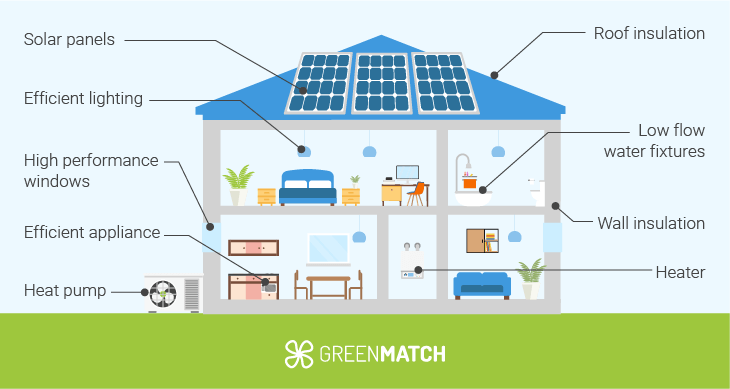
Alex began with a basic retrofit: upgraded loft insulation, added draught-sealing and replaced single-glazed windows where U-values were worst; the result dropped his annual heat demand by approximately 35%. Such reductions lower the required capacity of any new heating plant and improve the economics of renewable options.
When evaluating distribution, measure flow temperatures and radiator emitter areas; underfloor systems can operate at 35–45°C and boost heat pump efficiency, whereas old radiators often need up-sizing or higher flow temperatures. Consult practical installation guidance for field methods and checklists at installation tips for eco heating.
Technical comparison: heat pumps, solar thermal, geothermal, biomass and hybrids
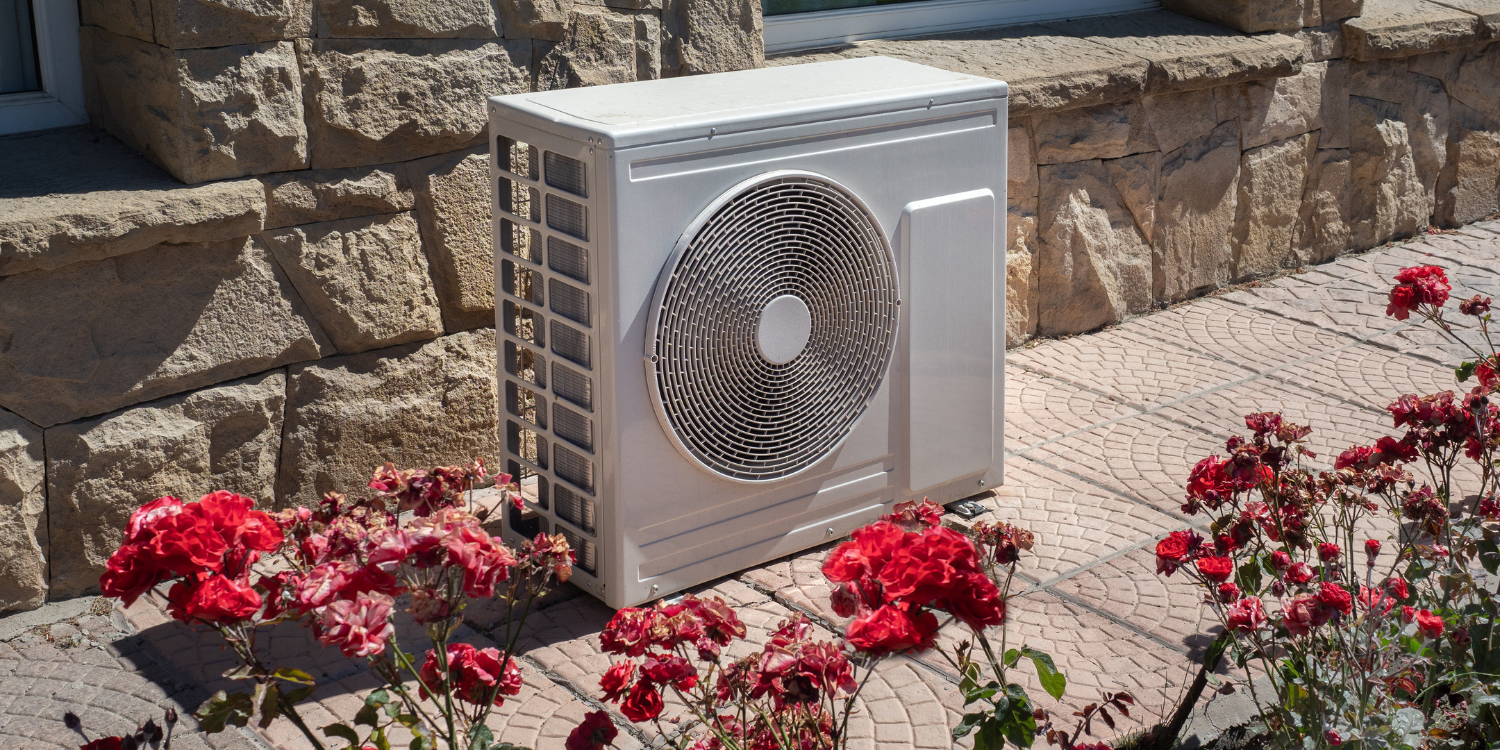
Air-source and ground-source heat pumps convert low-temperature ambient heat to usable space heating with SCOPs commonly between 3.0 and 5.0, meaning 1 kWh electrical input can yield 3–5 kWh of heat. Ground-source units usually deliver higher steady performance but require larger upfront civil works.
Solar thermal contributes domestic hot water and can preheat buffer tanks, reducing fuel needs during shoulder seasons; see lifecycle carbon considerations in the practical analysis at carbon footprint of eco heating. Biomass and pellet systems provide dispatchable thermal energy and are suitable where sustainable fuel supply chains exist, but require fuel handling and emissions management.
Hybrid architectures and case study: Alex’s system logic
Alex selected an air-source heat pump sized to meet 70–80% of annual demand and retained a small pellet stove for peak winter days. This hybrid reduced capital exposure while keeping resilience for multi-day cold spells and network outages.
Hybrid control sequences prioritise low-carbon sources first, use buffer storage to decouple supply and demand, and allow scheduled pellet use for short peak periods. For deeper guidance on integrating hybrid and smart solutions, explore the smart systems and hybrid strategies section.
Controls, monitoring and EnergySmart Heating integration
Smart thermostats, weather-compensated control and demand-response interfaces can increase system efficiency by aligning thermal output with real occupancy patterns. Accurate modulation reduces short-cycling and improves seasonal performance metrics.
Alex installed a central controller that coordinates his solar inverter, heat pump and pellet stove, using predictive weather inputs to preheat buffer tanks during sunny periods. For control best practices and smart thermostatic setups, consult the guide to smart eco heating control.
Grid interaction and economic signals
Where time-of-use tariffs exist, shifting electric heat to off-peak windows or using on-site PV during midday can lower operating costs significantly. Intelligent scheduling and storage can capture these arbitrage opportunities while reducing peak demand on the grid.
Integrating with local energy markets or virtual power plants is increasingly feasible and enhances the value proposition of low-carbon heating. Learn how monitoring and algorithms unlock extra savings at energy savings techniques.
Costs, incentives and lifecycle impact: practical finance for GreenStart Heating
Evaluate systems over a full lifecycle: initial capex, replacement cycles, fuel supply risks and maintenance flows. Heat pumps typically last 15–20 years with modest annual servicing; geothermal loops often exceed 25–30 years for ground collectors.
In 2025 many jurisdictions offer incentives, rebates or tax credits to offset installation costs; combine these with local low-interest loans to improve payback timelines. Check available financing options and benefit summaries at benefits of eco heating systems and practical energy bill impact studies at eco heating and energy bills.
Final practical actions for beginners
Begin with a measured diagnosis: meter bills, conduct a simple heat-loss estimate, and prioritise envelope measures before upgrading plant. This sequence preserves capital and multiplies the impact of any chosen system.
For operational tips and behavior-driven savings, consult the eco heating tips compilation and align choices with long-term goals: GreenStart Heating and EcoHeat Essentials are frameworks that help navigate trade-offs between cost, comfort and carbon. Embrace iterative upgrades: performance monitoring after installation yields the most reliable pathway to EcoFriendly Warmth and verified savings.