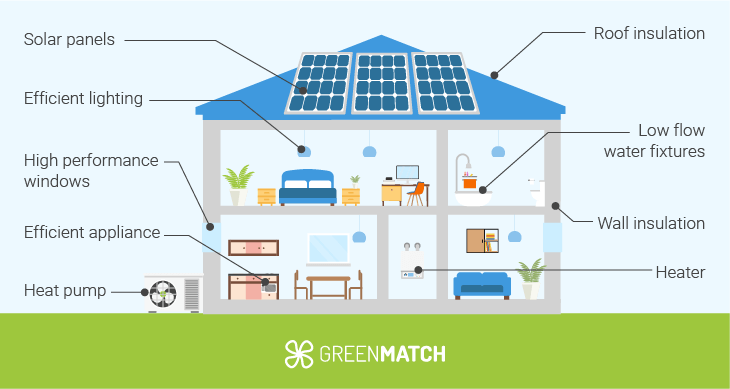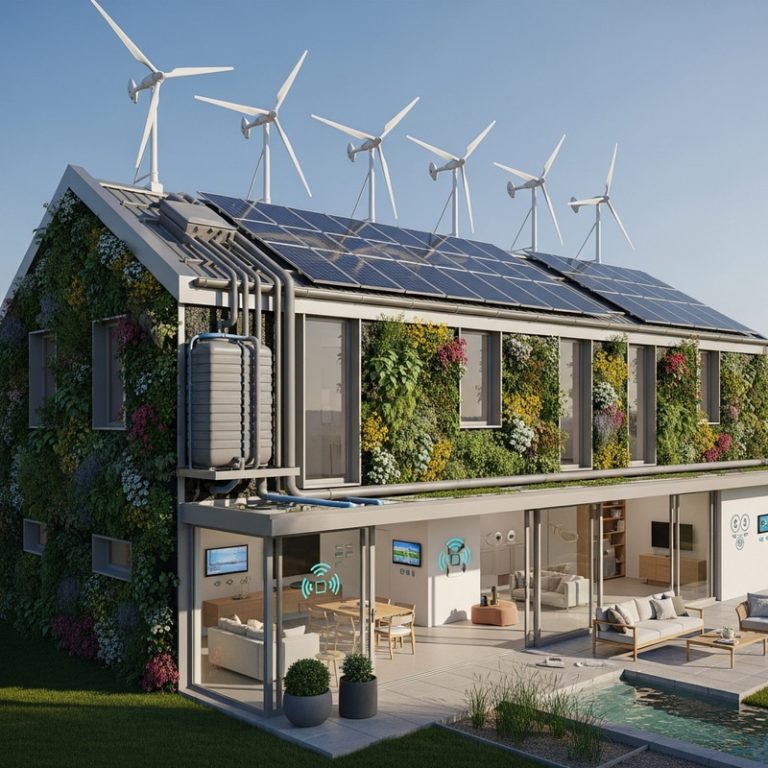
Embracing sustainable living with advanced eco heating tech reshapes how homes consume energy, blending comfort with measurable reductions in environmental impact. Driven by tighter regulations, consumer demand, and advances in system controls, the transition now favors technologies that pair high performance with low emissions. Homeowners like Anna—who retrofitted a 1990s suburban house—illustrate the practical pathway: she combined upgraded insulation, a variable-speed heat pump, and a smart control layer to cut winter energy use substantially while maintaining comfort. Technical advances in heat exchange, inverter drives, and predictive algorithms permit systems to modulate output precisely, avoiding oversized runtime and reducing wasted energy. Financial incentives and accessible guidance have accelerated adoption, and installers report shorter payback periods when systems are sized correctly and integrated with building envelope improvements. For practitioners and consumers, the imperative is clear: design heating around whole-home efficiency, not just equipment swaps, to achieve lasting sustainability gains.
- Key takeaway: Combine system upgrades with insulation and controls for maximum impact.
- Key takeaway: Heat pumps and geothermal options deliver the highest operational efficiency.
- Key takeaway: Smart thermostats and hydronic zoning translate to measurable energy savings.
- Key takeaway: Incentives and proper installation shorten payback horizons.
Embracing sustainable living with advanced eco heating tech: core system choices
Selecting the right heating approach begins with a technical assessment of the building envelope, load profiles, and available renewable inputs. Contemporary options range from air-source heat pumps that extract ambient heat to closed-loop geothermal collectors that leverage stable ground temperatures.
Resources such as the catalogue of eco heating systems provide system comparisons and performance metrics to inform specification decisions. Designing for whole-home efficiency rather than point upgrades ensures component interoperability and optimizes lifecycle costs. Final insight: match technology to measured demand curves rather than assumptions.
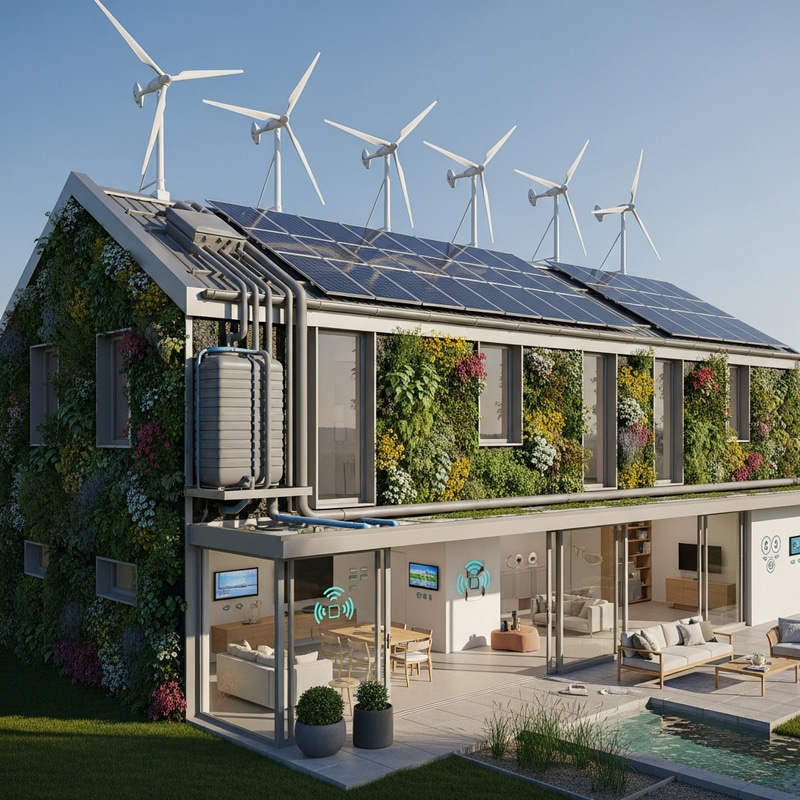
Insulation and ventilation: technical prerequisites for eco heating performance
Effective insulation reduces peak demand and allows high-efficiency systems to run in their optimal band; inadequate insulation forces even top-tier equipment into inefficient cycles. Anna’s retrofit demonstrated that upgrading wall and attic insulation reduced calculated heating load by 30%, enabling a smaller, more efficient heat pump to meet comfort targets.
Balanced mechanical ventilation with heat recovery preserves indoor air quality while recovering sensible and latent heat. For installers, specifying heat-recovery ventilation units sized to continuous flow rates prevents pressure imbalances and preserves system performance. Final insight: envelope upgrades are low-risk, high-return interventions that amplify any eco heating investment.
Advanced heat pumps and geothermal systems for sustainable homes
Heat pumps operate on heat transfer principles, providing heating and cooling with significantly lower electrical input than resistive systems. Current data indicate that correctly installed heat pumps can reduce heating-related electricity consumption by roughly 50% compared to older electric resistance or legacy furnace setups when matched to the home load.
Geothermal (ground-source) systems offer superior coefficient of performance due to stable subsurface temperatures. Their installation requires upfront civil works—vertical boreholes or horizontal coils—but they return efficiency and longevity benefits that often exceed 20-year horizons. For homeowners seeking durable, low-maintenance solutions, geothermal remains a compelling option. Final insight: prioritize system sizing and ground-loop design to protect long-term COP.
Biomass, high-efficiency furnaces, and solar thermal integration
Modern biomass boilers burn processed wood fuels with controlled combustion and emissions management, making them viable in regions with sustainable fuel supplies. Advances in boiler modulation and flue gas treatment have reduced particulate outputs relative to older units.
High-efficiency furnaces with top-tier AFUE ratings convert a larger portion of fuel into usable heat and are appropriate where electrification is constrained. Solar thermal panels can preheat domestic hot water or provide load shifting for hydronic systems, lowering fossil fuel demand. Final insight: hybrid configurations often yield the best balance of reliability and emissions reductions.
Smart controls, hydronic zoning, and incentives to accelerate adoption
Smart thermostats and home automation platforms enable demand-responsive operation, learning occupancy patterns and reducing runtimes without sacrificing comfort. Certified recommendations highlight that these controls, when paired with correct sensor placement and zoning, produce measurable savings; see practical guidance in the smart eco heating strategies resource.
Hydronic systems deliver consistent, low-temperature radiant heat and pair well with heat pumps and solar thermal collectors. Zoning valves, weather compensation, and outdoor reset controls refine system performance and avoid thermal overshoot. For financial feasibility, many jurisdictions offer rebates and tax credits—refer to consolidated lists such as the benefits of green energy overview and the energy savings analysis to model payback. Final insight: integrate controls early in the design phase to unlock full system potential.
Installation practices, maintenance, and resources for reliable operation
Correct installation is the greatest determinant of real-world performance. Best practices include precise load calculations, refrigerant charge verification, and commissioning flows for hydronic loops. Anna’s installer followed the checklist in installation tips for eco heating, which reduced commissioning time and eliminated common errors.
Ongoing maintenance—filter changes, pump bearing checks, and periodic control firmware updates—preserves efficiency. For homeowners, service agreements that include seasonal tune-ups ensure system longevity and sustained savings. Final insight: invest in qualified commissioning and routine maintenance to protect performance and warranties.
Market players, smart-home integration, and the road to scalable adoption
The ecosystem includes manufacturers and labs focused on component and system-level innovation. Leading names pushing product and software integration include EcoHeat Solutions, GreenTherm Innovations, SustainWarm Technologies, and EcoFlow Heating. Research groups and startups such as PureHeat Systems, NatureWarm Tech, and EcoWave Heating contribute specialized hardware advancements, while energy services from GreenPulse Energy and EnviroHeat Labs focus on analytics and grid interaction. Installers branded under EarthSmart Heating deliver integrated projects combining envelope work, equipment selection, and smart controls.
Smart home devices—thermostats, smart plugs, lighting, and automated blinds—form the control layer that optimizes system dispatch and interacts with time-of-use tariffs. Practical designs that consider occupant behavior and local climate data lead to reproducible energy savings across housing stocks. Final insight: vendor ecosystems that prioritize interoperability accelerate scalable, sustainable heating deployment.
Further reading and tools: see the practical primer on eco heating at Eco heating guide and implementation-focused content at installation guidance. For system selection and benefits analysis consult the maintenance and performance and the green energy resources.